





Register to get free articles
Want unlimited access? View Plans
Already have an account? Sign in
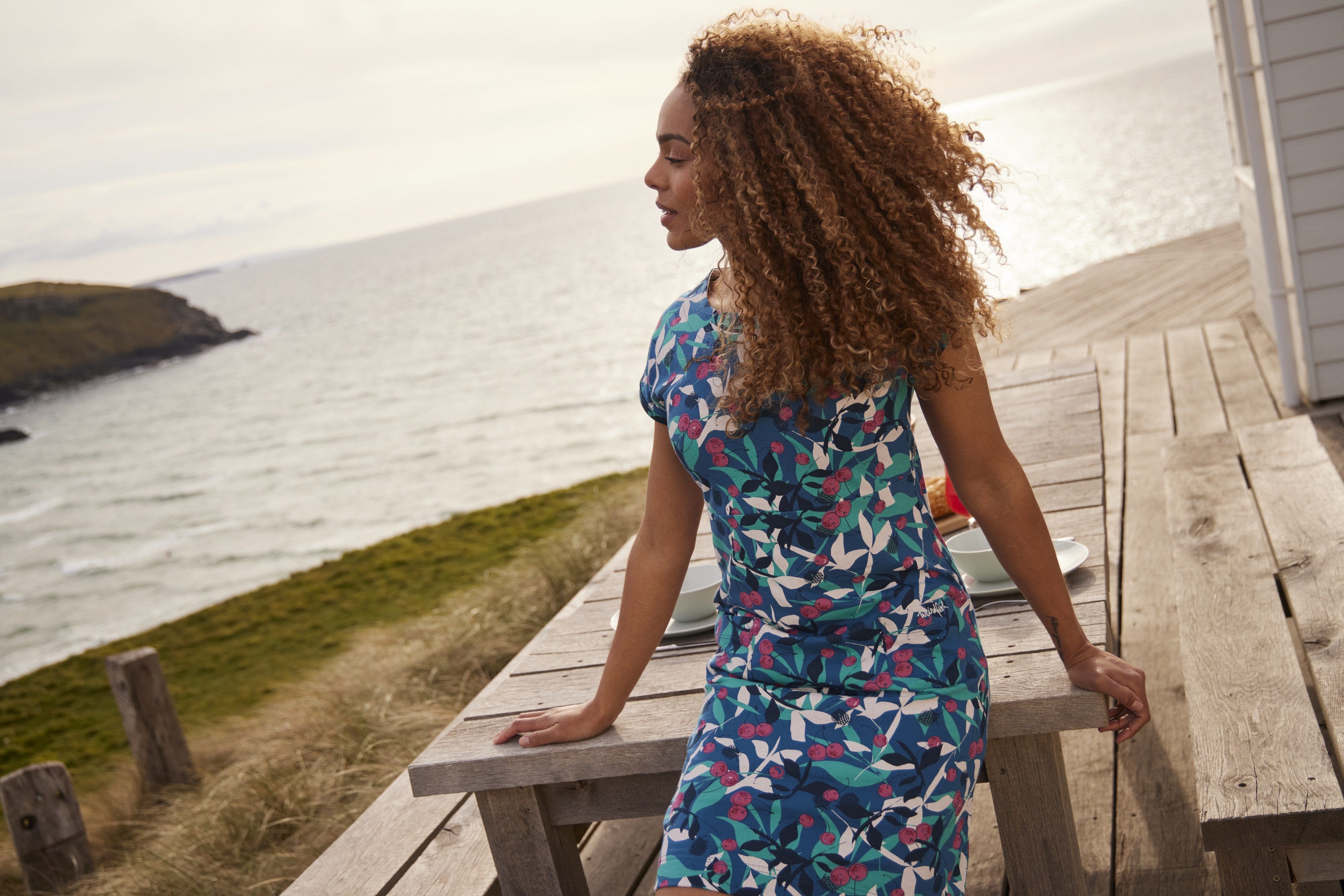
Clothing brand Weird Fish has taken the next step in its sustainability journey by introducing environmental impact metrics to its website, in partnership with Green Story.
Customers can now see how much has been saved in car emissions, drinking water, lightbulb energy and land pesticide usage as a result of a product being switched from regular to organic cotton.
Green Story has calculated the metrics following a detailed life cycle assessment of Weird Fish’s organic cotton products. The company analysed the volume of greenhouse gas emissions, primary energy demand and blue water consumption being saved through Weird Fish’s production chain.
John Stockton, managing director at Weird Fish said: “Customer transparency is key in every sustainability journey, particularly as greenwashing continues to be an ongoing issue.
“We’ve always been honest with customers about not being a 100% sustainable brand – instead, we highlight our initiatives to help us reach realistic targets each year. For instance, we’re working towards making 55% of our ranges more sustainable by the end of 2021 and by 2026, our target is to increase that figure to 90%.”
He added: “Our metrics are in place to help inspire greener shopping habits and get more people on board with our more sustainable ranges. Relatable metrics are key to helping customers clearly see the impact we’ve had from switching our products from regular to organic cotton.
“They not only focus on carbon dioxide savings, but also equate those figures to car journeys and drinking water to give a clearer sense of scale. The Green Story platform will also help us identify how we can make more positive changes within our supply chain, so will form a key part of our sustainability journey.”