





Register to get free articles
Want unlimited access? View Plans
Already have an account? Sign in
The British Retail Consortium (BRC) has urged members of the public to refrain from stockpiling food before Britain leaves the EU on 1 January.
The plea comes after the UK and EU confirmed on Sunday (13 December) that the deadline for reaching a deal on post Brexit would be extended.
Supermarkets previously limited the sale of key items such as toilet roll after the public began to panic buy goods at the beginning of the pandemic earlier this year.
In a bid to prevent another “clear out” on essential products, the BRC revealed that retailers are “increasing the stock of tins, toilet rolls and other longer life products so there will be sufficient supply of essential products”.
It comes as Helen Dickinson, chief executive of the BRC, said that ongoing uncertainty has made it “harder for businesses to prepare effectively for the 1 January”, adding that without a deal, the “public could face over £3bn in food tariffs”.
Dickinson said: “[Retailers] have also been building new customs and VAT processes, working with suppliers to ease logistics, and more.
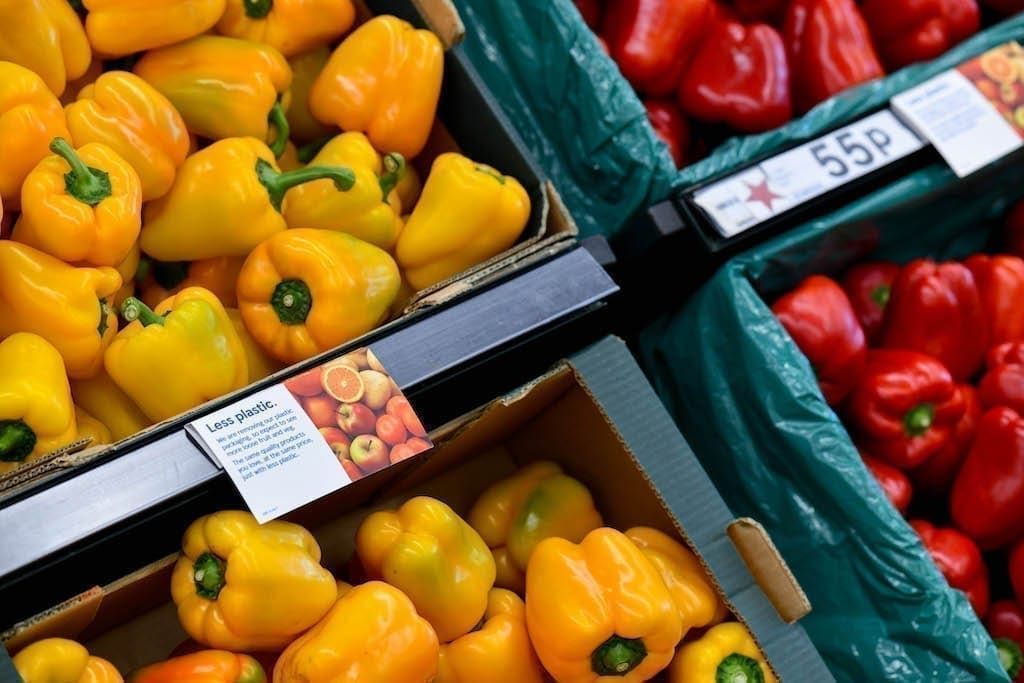
“While no amount of preparation by retailers can entirely prevent disruption there is no need for the public to buy more food than usual as the main impact will be on imported fresh produce, such as fresh fruit and vegetables, which cannot be stored for long periods by either retailers or consumers.”
She added:”Both sides must double down and do what is necessary to agree a zero-tariff agreement, or else it will be the public that pay the price of this failure.
“With many people’s finances already strained by the economic impact of coronavirus, households can ill-afford a significant rise in food prices. For the sake of customers and businesses around the UK, we need a deal in the next three weeks.”