



Register to get free articles
Want unlimited access? View Plans
Already have an account? Sign in
Artificial Intelligence/Machine Learning skills gap
Retailers have been recognising the huge value Artificial Intelligence (AI) and Machine Learning (ML) can bring to their supply chains, whether for forecasting demand, setting prices or anticipating disruption. However, the challenges in 2020 will be ensuring they have the in-house skills to take advantage of this. To put it bluntly, not many retailers have their own data scientists conveniently in situ.
It’s great to see many retailers coming round to understanding the benefits AI and ML can bring to supply chains, but to successfully implement in 2020 they will need to focus on building skills internally, investing in the training that will make AI work in practice.
Sustainability strategies
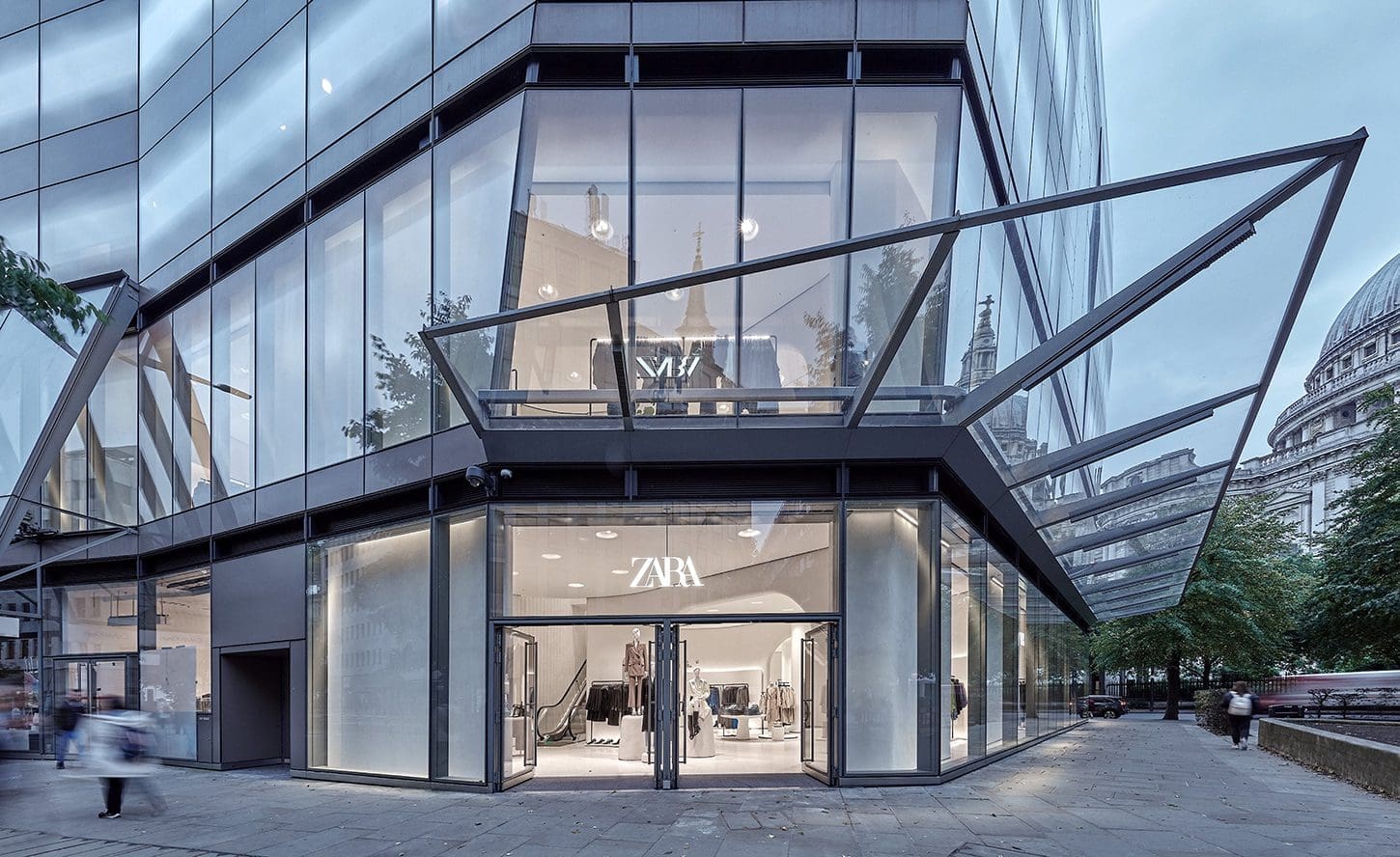
Within fashion retail, we’ve recently seen Zara join the likes of H&M in making sustainability pledges, and more retailers will follow suit in 2020. Fashion’s focus on the circular economy will continue to grow, with the rental market set to re-emerge into the public consciousness.
A growing number of people are already seeing the benefits of renting expensive outfits to wear to social occasions, and the added sustainability benefits should make this approach become increasingly commonplace in 2020.
Overall, customers are demanding that retailers play their part in society, which will drive many more of them to build closer relationships with their community. Change is also being driven by governments: this year retailers will increasingly recognise the benefits of greener legislation, rather than viewing it as irritating red tape.
In fact, new rules can actually bring financial benefits for retailers on top of driving more sustainable behaviour. For example, the mandatory 5p plastic bag charge was financially positive for retailers, and new rules making it possible for customers to co-ordinate deliveries/remove packaging will also benefit the bottom line. With waste reduction often coming hand in hand with bottom-line benefits, we’ll see more retailers keen to change their behaviour.”
More collaboration between bricks-and-mortar and online retailers
In 2020 we will see greater collaboration between retailers as they look to drive profits, cut costs and improve the experiences they can provide consumers.
One big driver of this will be the increasing shortage of warehouses close to central locations: sustaining localised operations can be expensive, so sharing and spreading the load with other retailers is the logical decision from both a practical and cost perspective.
Just a year ago you would not have imagined that bricks-and-mortar retailers like Next would be acting as Amazon parcel collection points. Next year, we will see more examples of this kind of partnership as all parties grow to recognise the benefits of working together can bring.
Retail experiences to be more connected than ever before
In 2020 we will see retailers creating a more connected retail experience, from the head office, to the warehouse, right through to the store. Retailers are increasingly understanding that organisational silos are a barrier to speed and effectiveness. As such, many are now investing in cross-functional systems to greatly improve information sharing.
A key driver will be an increasing focus on data to understand the customer and deliver the personalised experience many are expecting. This will see retailers extend their use of IoT and connected devices as they look to enhance the customer experience and drive down costs.
By Wayne Snyder, vice president of retail industry strategy EMEA at JDA