Popular now
Under Armour falls to £110m loss in Q3 amid higher costs

Under Armour falls to £110m loss in Q3 amid higher costs

Dunelm bolsters leadership team with two senior appointments

Dunelm bolsters leadership team with two senior appointments

Ocado prepares to cut 1,000 jobs in cost-cutting push

Ocado prepares to cut 1,000 jobs in cost-cutting push

January shop price inflation highest since 2013
January shop price inflation highest since 2013

In this episode we speak to Matt Dalton, consumer sector leader at Forvis Mazars. Matt discussed the biggest challenges facing the retail sector, from cost pressures and wage increases to polarised property markets and geopolitical shocks, and the ways in which retailers can best navigate these. We also explore how short-term cost-cutting could undermine long-term resilience, and how retailers can best remain agile and adaptable in unforecastable times.

Register to get 5 free articles

Reveal the article below by registering for our email newsletter.

No spam Unsubscribe anytime

Want unlimited access? View Plans

Already have an account? Sign in

Shop price inflation increased to 0.4% in January, up from 0.3% in December 2018 – the fourth consecutive month of price increases and the highest inflation rate since April 2013.

According to the figures from the BRC-Nielsen shop price index, non-food deflation continued to decelerate, with prices falling by 0.3% in January, compared with the 0.4% decline in December. This is the lowest rate of deflation since March 2013.                                        

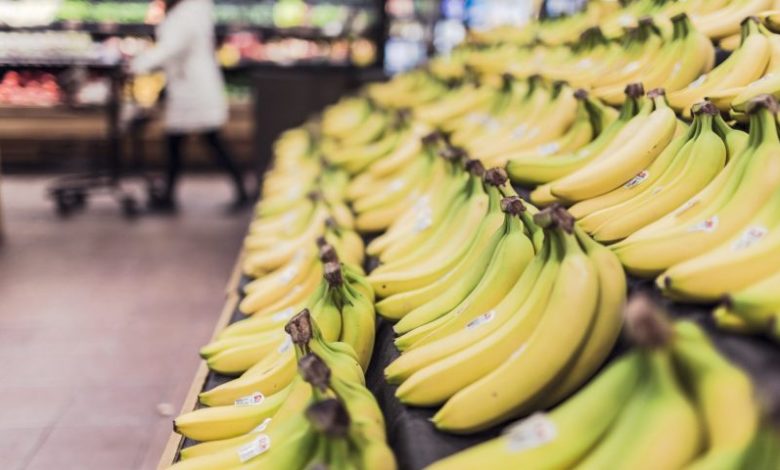
Additionally, food inflation remained steady in January at 1.5%. In line with global food prices developments, dairy products saw a slowdown in inflation and meat saw prices fall. However, inflation accelerated for other goods (alcoholic beverages and fish), keeping inflation steady.

The report found that the lower rate of deflation for non-food goods reflected, in part, less heavy discounting this January compared with January 2018 for some goods, such as furniture and clothing, or some price increases for others, such as DIY or health and beauty goods.

Helen Dickinson, CEO of the BRC, said: “Despite significant post-Christmas discounting, shop prices in January were slightly up on last year. Promotions have become the norm in recent years, but it was never going to be possible to continue making seasonal price cuts deeper each year; especially given that the cost of importing many of the goods we buy increased with the post-referendum fall in the pound.

“Consumers have little to fear in terms of inflation over the coming months with many of the underlying pressures on prices easing. That is unless the UK leaves the EU without a deal on the 29th March, leading to increases in the price of many goods in the weekly shopping basket.”

Mike Watkins, head of retail and business insight, at Nielsen, added: “With shoppers looking to make savings on household bills and sentiment on the turn, it’s good news that shop price inflation is broadly unchanged this month.

“Intense price competition between food retailers at the start of the year is protecting customers from rising prices and there is no inflationary pressure coming from the high street as retailers, faced with weak demand, continue to absorb the impact of any rising costs themselves.”

Previous Post
Mike Ashley and ScS in competition over Sofa.com

Mike Ashley and ScS in competition over Sofa.com

Next Post
Digital transformation – the key to a truly engaged customer and workforce

Digital transformation – the key to a truly engaged customer and workforce

Secret Link