





Register to get free articles
Want unlimited access? View Plans
Already have an account? Sign in
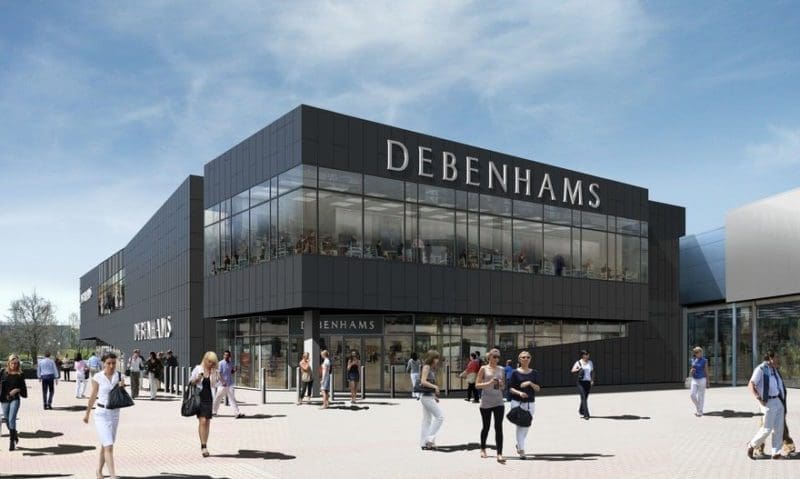
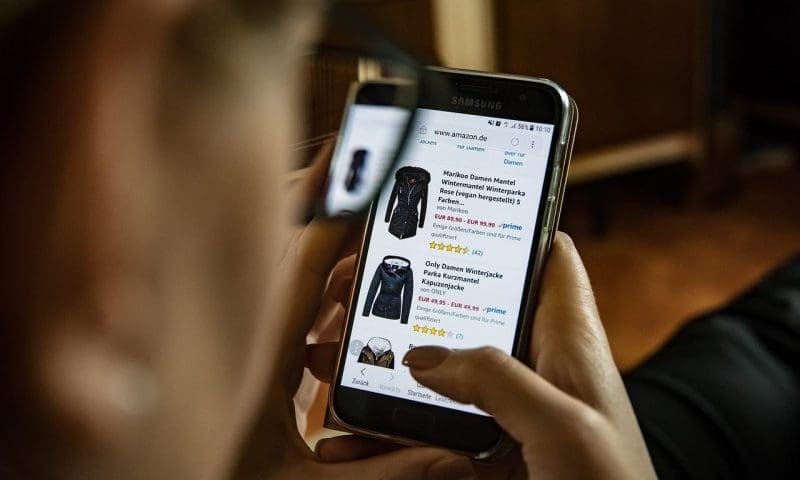
Online retailers are having a “profound effect” on the commercial property market as the value in retail property is set to fall by 15.9% this year, new research has predicted.
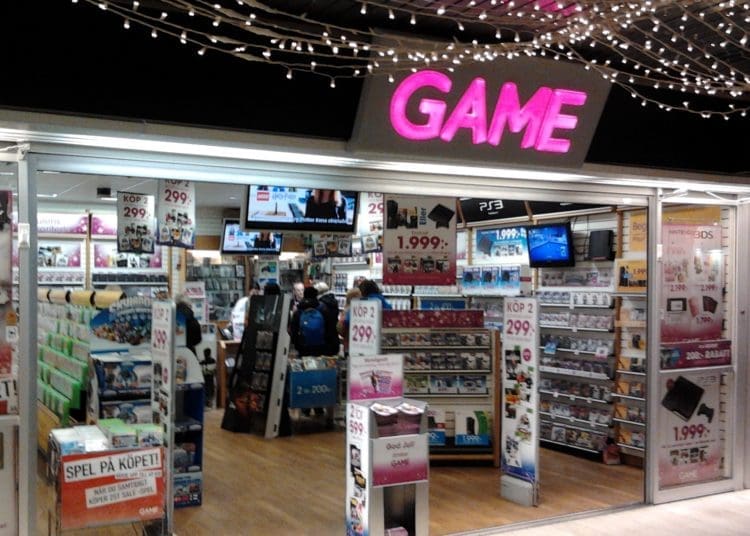
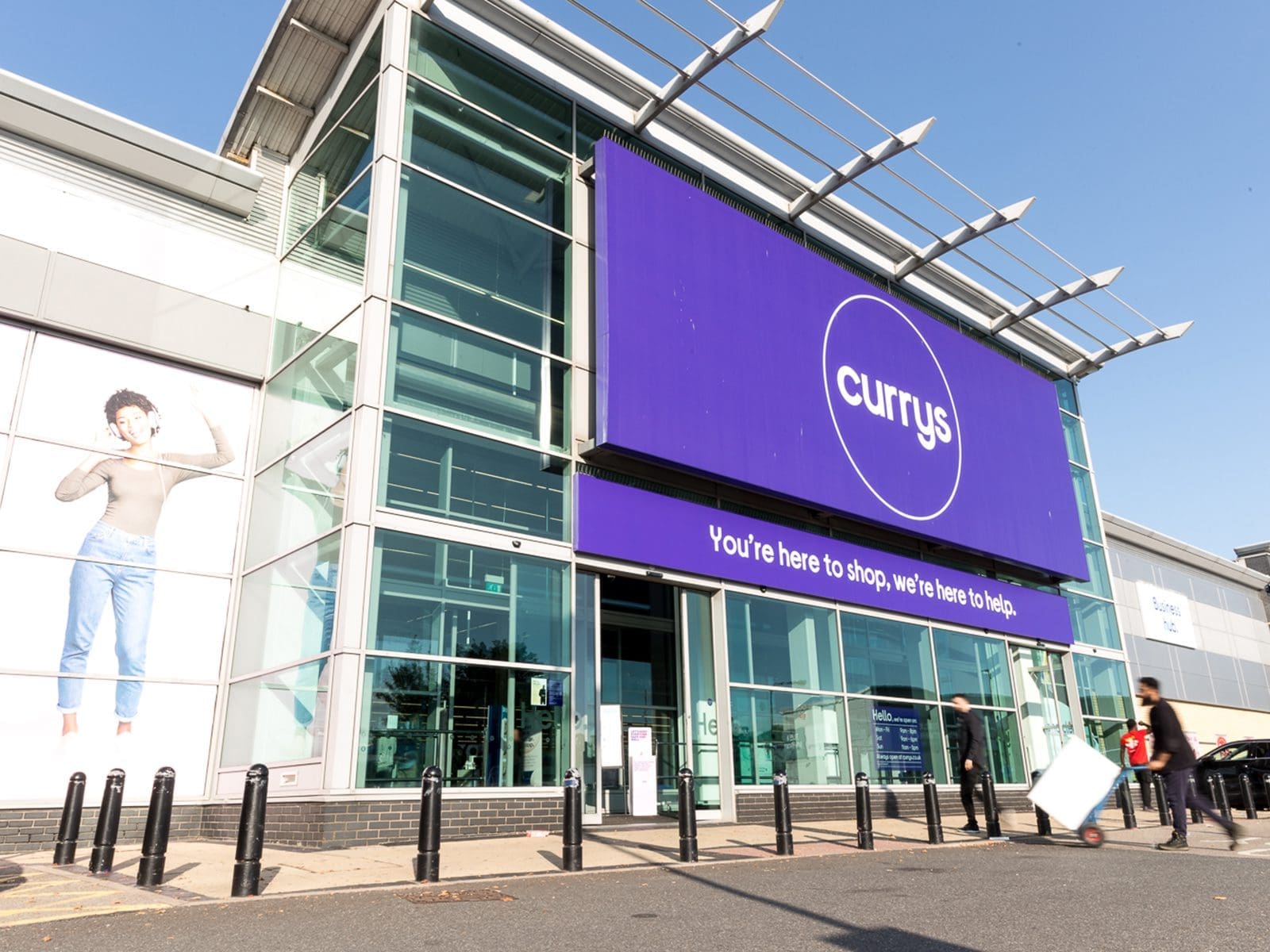
Furthermore, job losses and store closures have been forecasted to increase by 26,918 and 3,764 respectively compared with 2018 across the retail and hospitality sectors as high street businesses face rising costs, increased online spend and subdued consumer confidence.
The drop in property value is said to be part of the efforts of real estate owners and investors attempting to lure online-centric consumers back onto the embattled British high street.
This is according to Altus Group’s annual Commercial Real Estate (CRE) Innovation Report, which surveyed over 400 major property owners and investors from around the world, each with more than £200m of assets under management.
Some 62% of major UK property owners and investors said e-commerce businesses, such as Amazon, were “disrupting” the commercial real estate industry. Real estate executives said this had an impact on their decision-making with 78% saying ‘experiential’ retailing was influencing their investment decisions.
Brands and retail owners now see experience as a way of competing with online retailers. New generation shops offering hi-tech experiences using augmented and virtual reality are part of the solution according to professor Bamfield at the Centre for Retail Research, who said the “shops of the future will have virtual reality at the heart of them where customers can try products in immersive 3D and share their experience with family and friends” which Bamfield says is part of the “edge” traditional retailers can gain over their online counterparts. So far, 52% of UK property owners and investors have made either a direct and/or direct investment in companies developing the technology.
Altus Group managing director, Guillaume Fiastre, said: “Retail of the future will use bricks-and-mortar spaces in a very different way mixed in with leisure and lifestyle residential spaces, for example. The most successful retailers – the survivors – are learning to draw in their customers with the promise of a personalised experience. Technology makes that all possible, but it still needs a strong human element.
“The growth of online retailing, which had been seen as a difficult trend for property, is one property owners and investors can now take advantage of to drive revenue.”