

Register to get free articles
Want unlimited access? View Plans
Already have an account? Sign in
UK shop prices in March fell at their fastest rate since February 2017.
Deflation in non-food prices decreased at a rate of 1.9% in March, according to the British Retail Consortium.
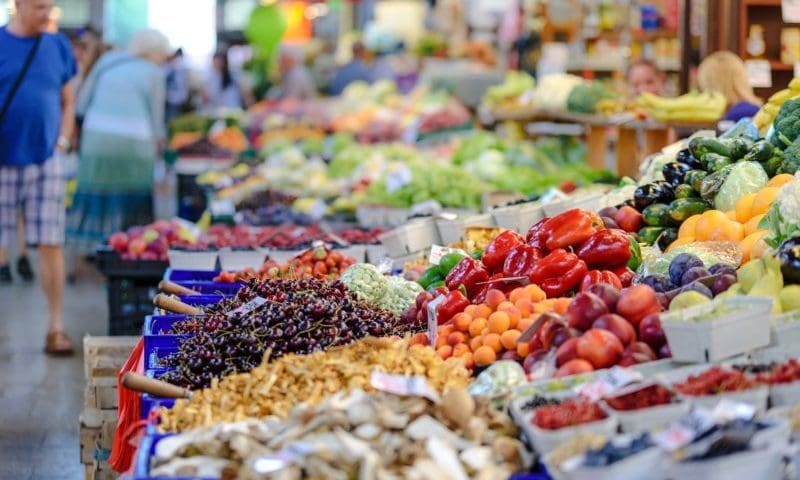
Food inflation slowed down substantially in March, inflation standing at 0.4%, down from 1.6% in February. This is the lowest food inflation rate since February 2017.
Helen Dickinson OBE, chief executive, British Retail Consortium: “Shop price deflation accelerated in March, driven by a substantial slowdown in food inflation, which reached its lowest rate for a year. As the impact of the pound’s depreciation one year on are beginning to fizzle out, retailers are passing the positive impact through to the shop floor.
“So some welcome respite for consumers, particularly with the gap between inflation and wage growth finally narrowing. But with further wage increases on the horizon putting upward pressure on prices, consumers will continue to feel the grip on their spending power.
“In light of this, the support for a zero-tariff trade deal on the end-status agreement between the EU and UK, is encouraging news for retailers. But this needs to be accompanied by a focus on reducing potential customs friction on the movement of goods, in order for retailers to mitigate any further pressure on prices for their customers.”
Mike Watkins, head of retailer and business insight, Nielsen: “Consumers are still coping with falling disposable incomes and non-food retailers are having to keep price increases to a minimum or make further price cuts, as consumer demand has been weak since the start of the year.
“With inflationary pressure receding in the food supply chain, we can now expect supermarkets to focus on lowering prices and to use promotions to drive visits as part of the battle for gaining share of wallet. With 27% of the value of the shopping basket being discounted by offers or short term price cuts, which is a 10-year low, shoppers will take advantage of any increase in discounting as they seek out the best value for money.”