





Register to get free articles
Want unlimited access? View Plans
Already have an account? Sign in
New research launched from Retail Economics and Squire Patton Boggs shows that £7.8bn could be added to the cost of retail goods if the UK fails to agree a favourable trade deal with the EU before departure.
The research features in the first edition of the UK Retail Brexit and Trade Quarterly Review which contains economic, policy and legal analysis on the impact of trade and a narrative on the progress of UK and EU trade negotiations specific to the retail industry.
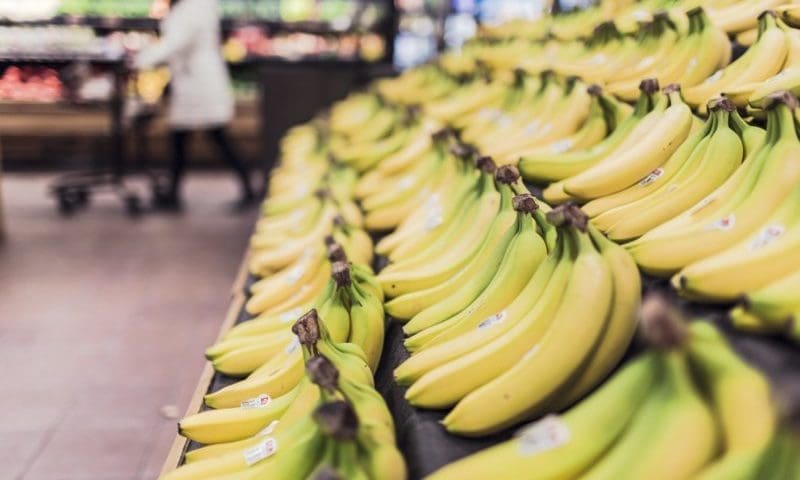
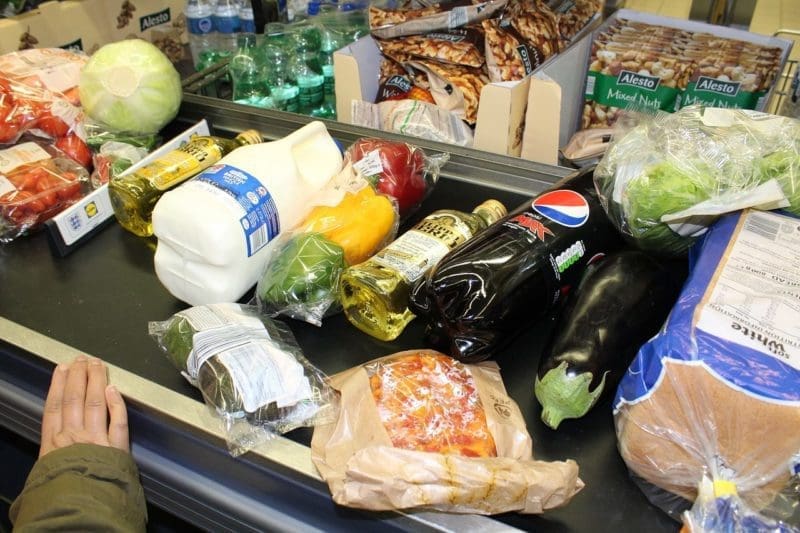
The research found that the risk of higher costs from new tariffs was greatest for food and drink from the EU. The exposure of the UK market to imports from the EU was the highest compared with any other retail sector, with more than 70% of UK food and drink imports coming from within the EU.
It also found that the standard rate of tariffs that would apply to imports of EU food and drink was far higher than the rate for non-food goods, with duties for some meat and dairy products rising to 80%.
The analysts predicted that to continue tariff-free trade in food and drink post Brexit, the EU would probably demand compliance with a wide range of non-trade regulations, which may be difficult for the UK to accept.
It also suggested that potential alternative non-EU sources of food and drink were limited by either high tariffs and/or non-tariff barriers.
The clothing and shoe sector of the industry was expected to be the second most affected as it had the second highest tariff rate of 10.8%. The health and beauty, electrical and DIY and gardening sectors were predicted to experience the least impact of the ‘no deal’ Brexit.
The report said that any new immigration system for EU citizens would need provision for non-graduate labour to ensure that the UK retail industry has access to the workers it needs to avoid seeing a rise in labour costs.
Richard Lim, chief executive of Retail Economics, said: “Should the government fail to agree a deal with the EU, the retail industry faces a debilitating wave of rising costs from import duties.
“The retail industry is already delicately poised between an outlook of softening consumer demand and mounting cost pressures, evidenced by recent high-profile retail administrations. Additional costs of this magnitude will amount to a ‘tipping point’ with some retailers unable to remain commercially viable.”