





Register to get free articles
Want unlimited access? View Plans
Already have an account? Sign in
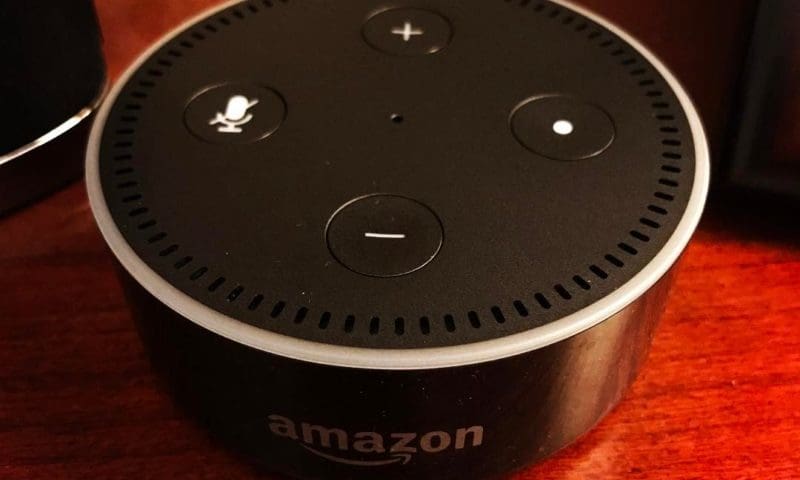
Shopping through voice-activated devices such as Amazon Echo and Google Home is set to become the next disruptive force in retail, according to new research.
UK transactions through smart speakers with consumers using their voices as commands are currently worth £0.2bn, according to new research from OC&C Strategy Consultants.
Almost half of UK households are forecast to own a smart speaker by 2022, with transactions expected to increase to £3.5bn in the same time period.
The research shows that in the past year, nearly half of owners (44%) made a purchase using their smart speaker – a much higher figure than initially believed.
The current nature of voice technology means that consumers are mainly using voice shopping to make standalone purchases of low-value consumer goods, like groceries.
So far, Amazon Echo leads the tech giants battling for supremacy in the ‘virtual assistant’ space in the UK, outselling Google Home four to one.
Will Hayllar, partner and global head of consumer goods at OC&C, said: “The advent of voice commerce is taking frictionless shopping one step further by reducing the need for customers to ‘research’ product themselves, simplifying the route to purchase.
“As the data shows, voice commerce will be driven by the rapid uptake of smart speakers and retailers should recognise the enormous potential of tapping into this channel.
“However, few retailers have developed their own capabilities that enable them to reap the greater rewards from voice, and the race is on. Businesses must think hard about how their brand integrates with different voice assistant providers’ strengths and how to build customer trust in voice, to maximise their success and improve the bottom line.”