




Register to get free articles
Want unlimited access? View Plans
Already have an account? Sign in
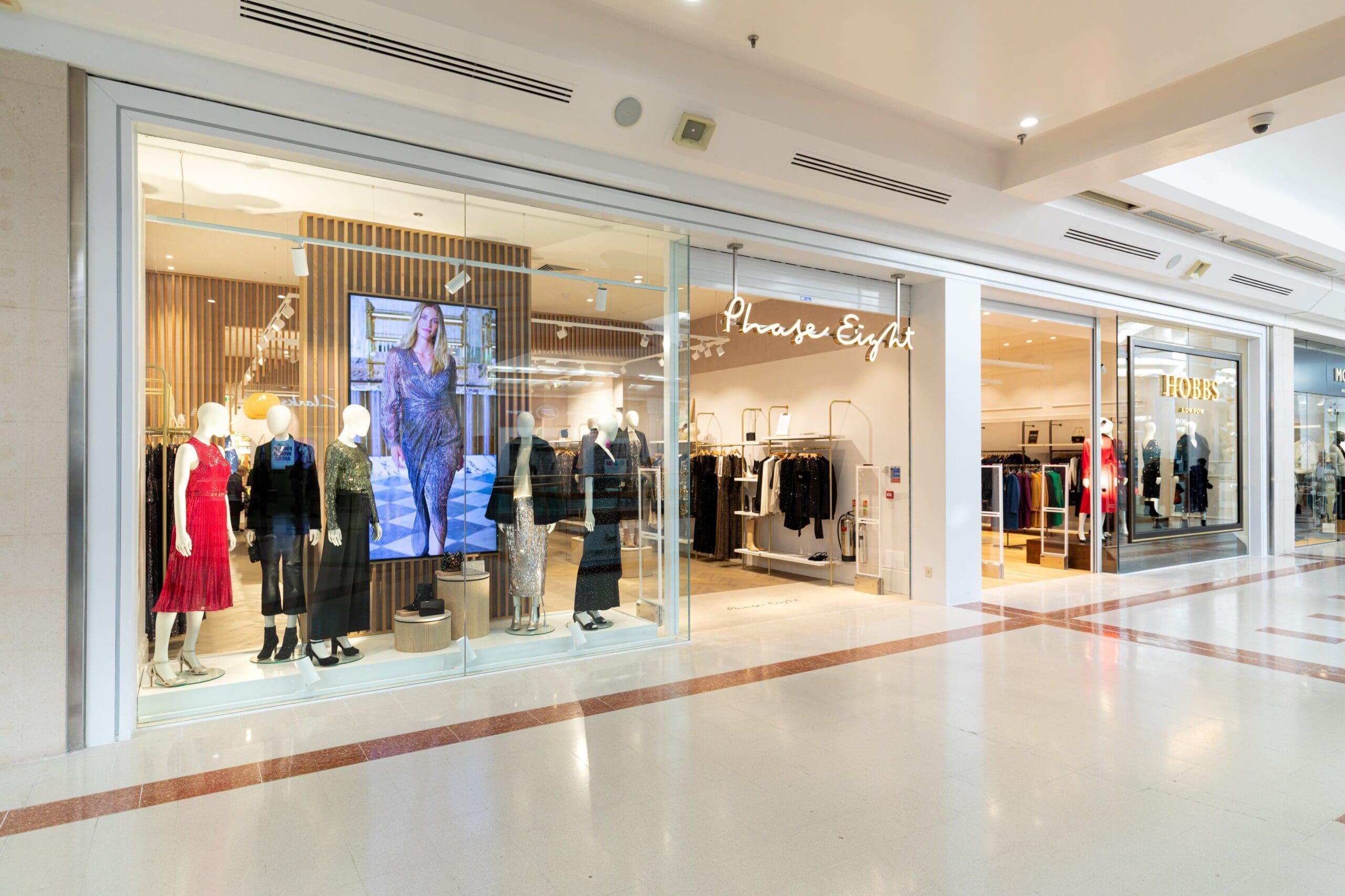
TFG London, the parent company of Hobbs, White Stuff, Phase Eight and Whistles, is looking to implement cost cutting measures as well as Phase Eight store closures, as the group experienced a sharp drop in consumer demand in the second half of FY26.
It comes as the Cape Town-based clothing retailer faced weaker peak-season demand and lower gross margins across all its operating regions. In response, the business cut planned spending, restricted capital investment and managed stock levels to protect cash reserves.
While the group’s sales increased by 7.1% in the year ended 31 March, the figure falls to 2.8% when excluding TFG’s newly-acquired White Stuff brand.
Online sales grew 31.7% to make up 14.8% of total retail sales, supported by a 49.2% rise in digital sales at TFG Africa through its Bash platform.
Despite higher revenues, headline earnings per share fell 33.5% to 675.4 cents, down from 1,015.6 cents the previous year.
In addition, profits were hurt by non-cash impairment charges against the Phase Eight brand in the UK, alongside the Tarocash and yd. brands in Australia. The write-downs reflect weaker long-term cash flow expectations in those markets.
As part of its cost-cutting drive, TFG plans to close underperforming stores at its struggling womenswear brand Phase Eight. The company aims to accelerate the restructuring of the brand’s store portfolio and expenses over the next 12 months.
Management did not disclose the number of affected locations or which specific sites are under review. However, Phase Eight has already launched a closing down sale at its St Andrews branch, following recent store closures in Dundee and Perth.
Phase Eight’s performance has suffered for several years from the decline of department stores. According to TFG, these concessions accounted for 70% of the brand’s total sales when it acquired the retailer.
In regional markets, TFG Africa like-for-like sales grew 3.5%, while credit sales rose 4.6% to make up 25.8% of total African sales. Gross margin in the region fell by 100 basis points to 41.6%, leading to a 14.7% drop in operating profit.
TFG London sales rose 29.4% in British pounds, though sales were flat when excluding White Stuff. Performance was hurt by weak occasion-wear sales and a cyber incident at a digital concession partner, causing a 65.4% drop in operating profit.
Anthony Thunström, chief executive of TFG London, said: “FY26 was a challenging year as weaker consumer demand and margin pressure impacted profitability across the group. While these conditions were largely outside of our control, our response was not. We acted decisively to reduce costs, manage inventory, preserve cash and strengthen the resilience of the business.
“We have invested significantly over a number of years to build scaled retail, digital and logistics platforms that position us well for the future. As online penetration continues to grow and our omni-channel capabilities scale, we believe we are increasingly able to drive growth through a more capital-light model while remaining focused on improving profitability and returns.”