




Register to get free articles
Want unlimited access? View Plans
Already have an account? Sign in
Retailers saw a pleasant end to the year with footfall rising 5.2% on New Year’s Eve, according to the latest figures from Springboard.
This is a sharp contrast with New Year’s Eve 2019 when high street footfall declined by -9% from the week before.
It comes despite a footfall drop of -15% across all UK retail destinations last week versus the week before during the run up to Christmas.
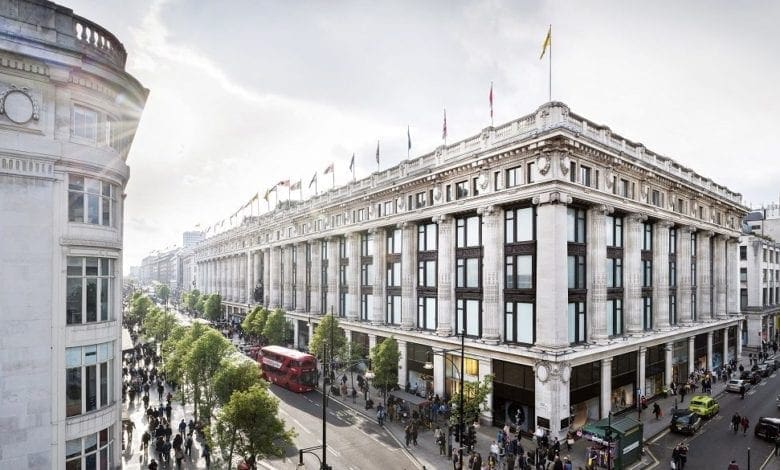
New Year’s Eve footfall in Central London rose from the week before, up 54.8%, compared with 22.7% on New Year’s Eve in 2019.
However, this uplift wasn’t replicated in other city centres around the UK where footfall on New Year’s Eve was -0.8% lower than on Christmas Eve.
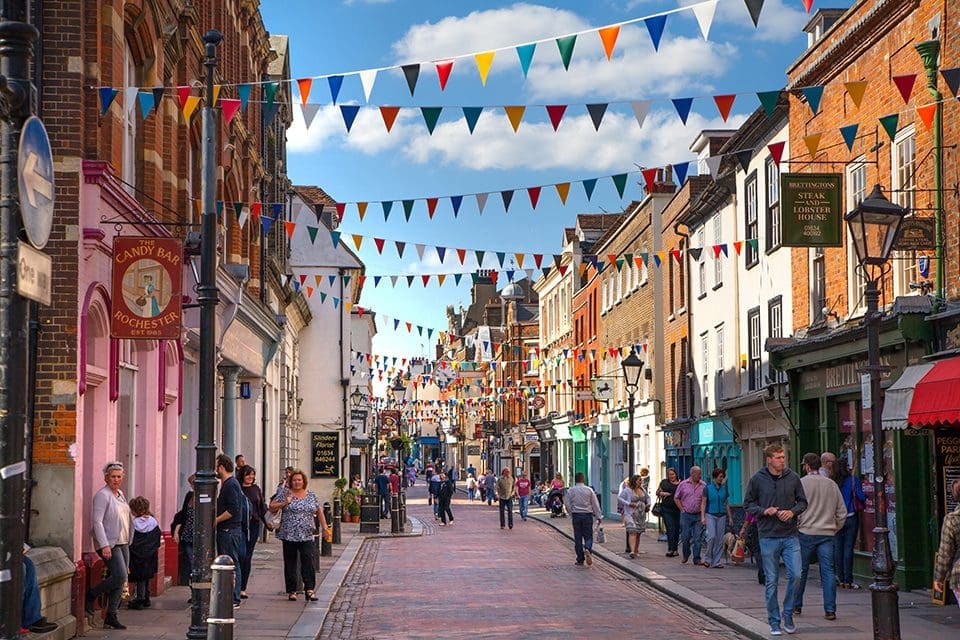
Footfall also rose in historic town centres on New Year’s Eve (by +7.3), and in Outer London (+5%) but declined by -8.2% in market towns.
Over the seven days as a whole, versus the week, before all three destination types recorded double digit declines in activity with -11.8% in high streets, -17.5% in retail parks and -19.2% in shopping centres.
However, the gap between last week and the week before narrowed from day to day as the week progressed; on Sunday (Boxing Day) footfall was -43% lower than the previous Sunday but by Friday (New Year’s Eve) this had narrowed to -6.4% from Friday in the previous week (Christmas Eve).
The final week of the year ended with footfall in UK retail destinations -24.5% below the 2019 level, but 78% higher than the level in 2020.
Diane Wehrle, insights director at Springboard, said: “Despite the well documented cautiousness of shoppers in the run up to and over Christmas this year, it appears that on New Year’s Eve there was a shift in behaviour with footfall in high streets increasing from the week before (Christmas Eve).
“Not only was this the only day last week when high street footfall was higher than the week before, but it was also in sharp contrast with New Year’s Eve 2019 when high street footfall was lower on New Year’s Eve than on Christmas Eve. The winners on New Year’s Eve were Central London and historic town centres where footfall rose significantly from the week before, whilst declining in smaller local high streets.”
She added: “Overall, footfall last week, which began on Boxing Day and ended on New Year’s Day, was inevitably lower than in the preceding week which was the run up to Christmas and ended on Christmas Day.
“The comparison with 2019 also continued to be unfavourable, with a noticeable drop from two years ago, however, some of this is due to the date offset as the equivalent week in 2019 began on 29 December and ended on 4 January so missing the days immediately post-Christmas when footfall is at its lowest.”