




Register to get free articles
Want unlimited access? View Plans
Already have an account? Sign in
A permanent working from home post-lockdown model could damage “perfectly good” businesses, according to the British Independent Retailers Association’s (BIRA) CEO.
In an interview with the Daily Telegraph, Andrew Goodacre addressed how businesses in London would specifically be adversely affected by such a change.
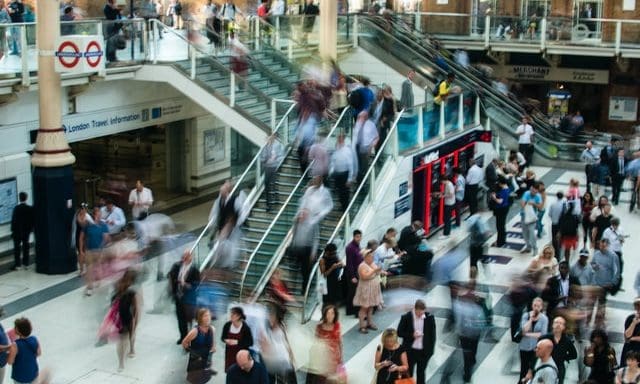
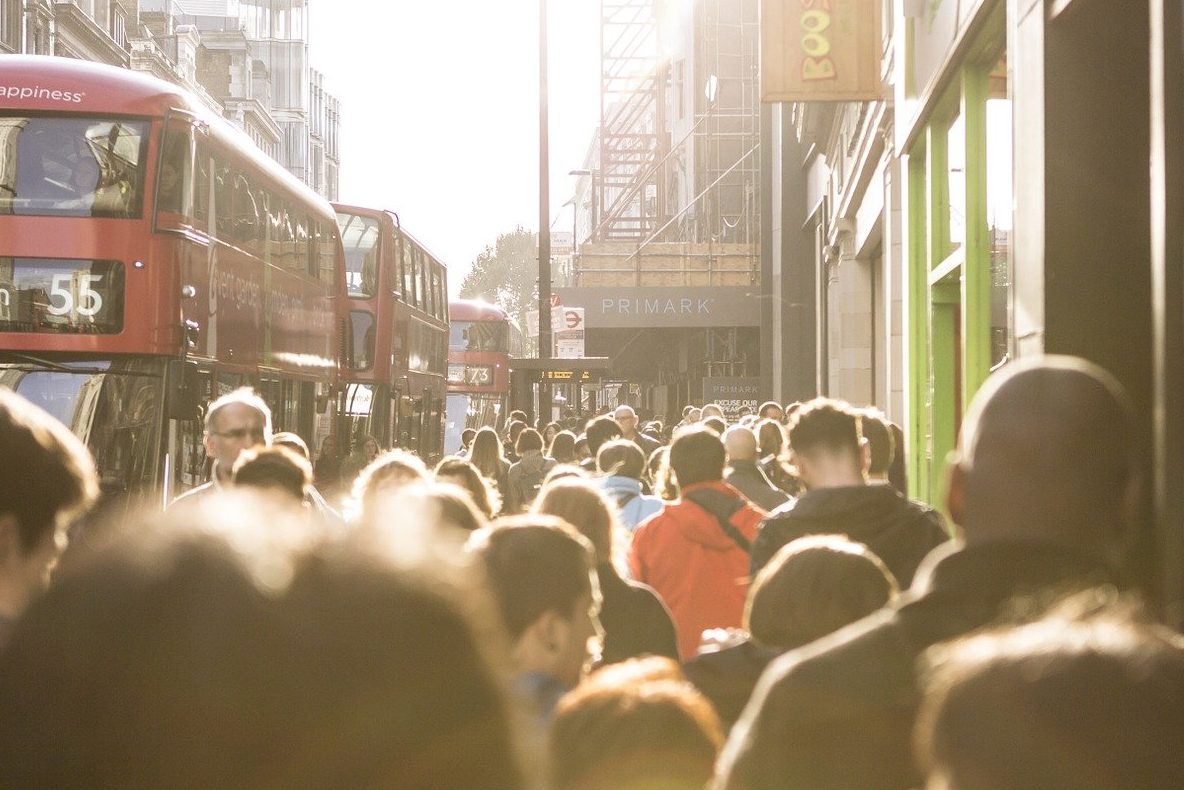
Goodacre’s intervention comes after research from Springboard found that retail footfall fell by 3.1% in recent weeks, and London footfall was still half pre-pandemic levels despite lockdown restrictions having been lifted.
Furthermore, new polling released by the London Chamber of Commerce and Industry (LCCI) found 83% of businesses in the country’s capital that can work from home expect staff to do so at least one day a week.
Almost one in five (18%) of business leaders polled by LCCI, whose businesses are primarily office-based pre-pandemic (and for whom working from home is an option), expect staff to work from home five days a week.
Speaking to the Telegraph, BIRA’s CEO said that longer home working would mean a “loss of what were perfectly good businesses after the pandemic”.