

Register to get 2 free articles
Reveal the article below by registering for our email newsletter.
Want unlimited access? View Plans
Already have an account? Sign in
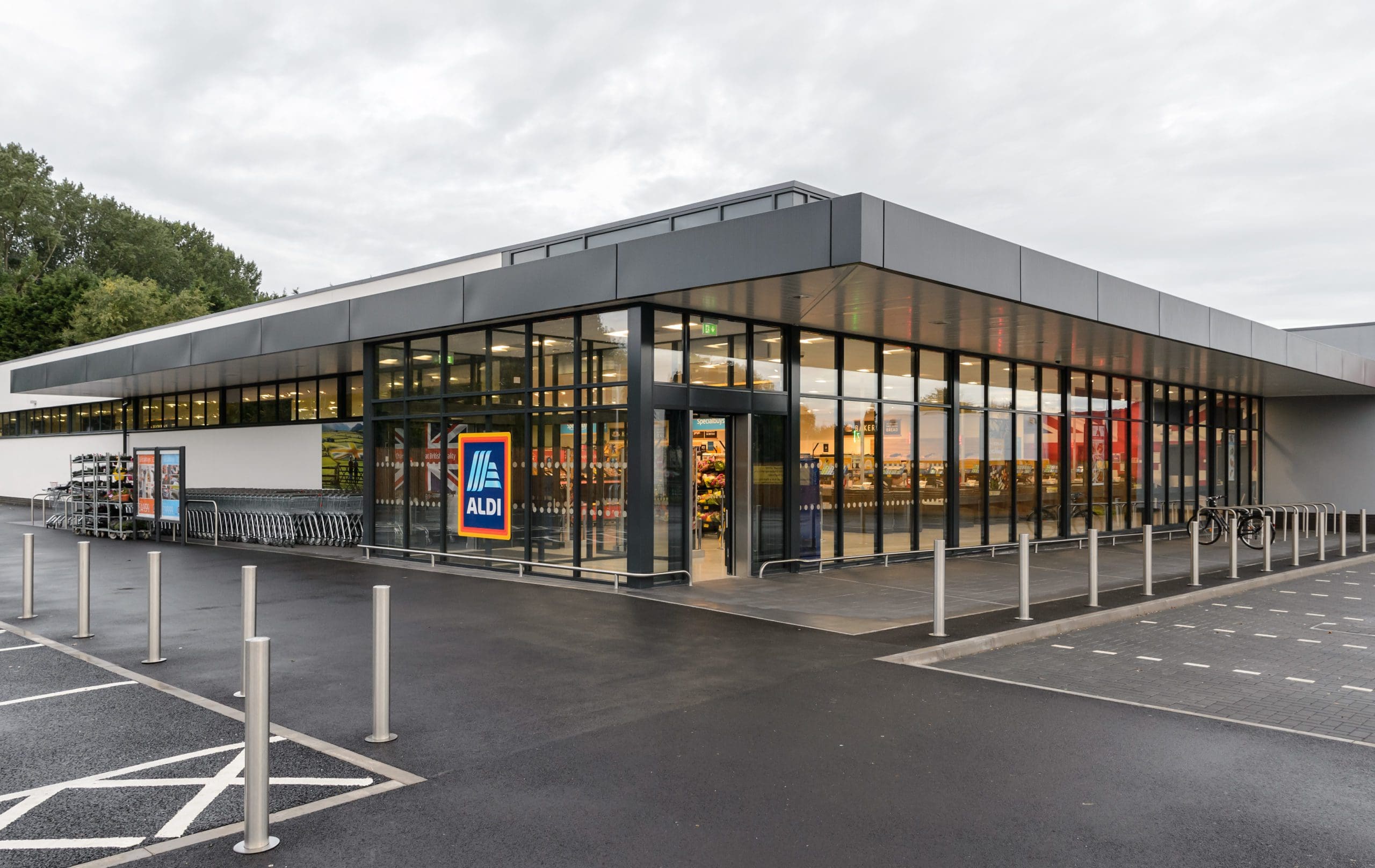
For the first time ever, Aldi has become Britain’s fourth largest supermarket, as discount grocers continue to benefit from customers who are managing their budgets amid rising inflation.
According to new figures from Kantar, Aldi’s sales rose by 18.7% over the 12 weeks to 4 September 2022, reaching a 9.3% market share, while Lidl grew sales by 20.9% and its market share increased to 7.1%.
Back at the start of the 2010s, Tesco, Sainsbury’s, Asda and Morrisons together accounted for over three quarters of the grocery sector, but according to Kantar, the “traditional big four is no more”.
It comes as grocery price inflation hit 12.4% during the past month, a new record according to Kantar, who said that discounters have seen “dramatic” sales increases in light of this.
Kantar warned there is “no end in sight to grocery inflation as the rate at which food and drink prices are increasing continues to accelerate”.
It found that with grocery price inflation hitting 12.4% for August, the average annual grocery bill will go from £4,610 to £5,181, or an extra £572 a year, “if consumers don’t make changes to what they buy and how they shop to cut costs”.
Categories like milk, butter and dog food are jumping up especially quickly at 31%, 25% and 29% respectively, according to the group.
Fraser McKevitt, head of retail and consumer insight at Kantar, said: “In what is a fiercely competitive sector, supermarkets are reacting to make sure they’re seen to acknowledge the challenges consumers are facing and offer best value, in particular by expanding their own-label ranges.
“Their efforts seem to be well received by consumers with sales of the very cheapest value own-label products up by 33% this period versus a year ago and nearly one in four baskets containing one of these lines. Overall spending on all retailer own-label lines was £393 million higher during the latest four weeks, pushing own-label’s share of the market to 51.1%.”