


Register to get free articles
Want unlimited access? View Plans
Already have an account? Sign in
High levels of inflation and the deepening cost of living crisis have prompted further slowing of retail sales growth, according to BDO’s High Street Sales Tracker (HSST).
It found that total like-for-like (LFL) sales, combined in-store and online, increased by +8.4% in June compared to the equivalent month in 2021, when shops had been open for over two months.
Total non-store LFL sales remained relatively flat at just +1.6% in June. While this is the online retail sector’s third consecutive positive result, BDO said it is a “disappointing performance” given it is based on low growth of +8.2% in June 2021.
BDO revealed that June started particularly slowly, as total LFL sales grew by just +4.65% in the first week of June, which included the Platinum Jubilee bank holiday. Total LFLs increased by +7.63% in the second week of June, and +7.30% in the third week, compared to the same week in 2021.
The final week of the month saw the strongest LFL growth, with sales jumping by +18.61% above those recorded in 2021.
Despite its slow start to the month, the fashion sector continued to outperform the lifestyle and homewares sectors, recording total LFL sales growth of +15.2%, compared to a base of +73.7% in June 2021. This is the sixteenth consecutive month of positive like-for-like sales.
Total LFL sales in the lifestyle sector increased by +6.9% in June, up from a base of 50.9% in June 2021. In contrast, lifestyle LFL sales through online channels have fallen for eight consecutive months which may spark concerns that consumers are reducing their discretionary spending in the sector.
The homewares category saw another disappointing month of results, with total LFL sales falling -8.8% compared to June 2021, the third negative month for homewares LFL sales this year.
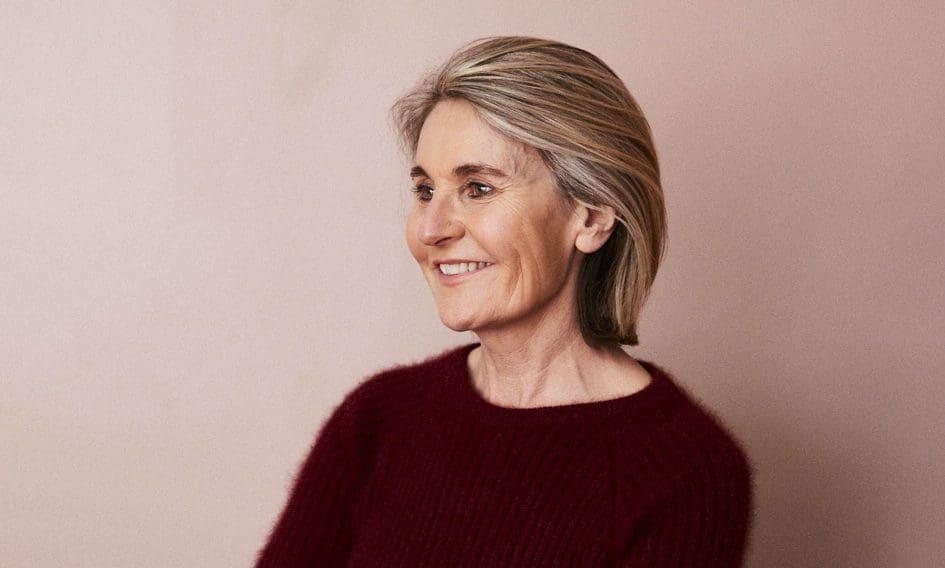
Sophie Michael, head of Retail and Wholesale at BDO LLP, said: “These results confirm that the outlook for retailers is of concern. With consumer confidence at historically low levels, real wages falling to a 20-year low and interest rates set to rise further, there are few signs of encouragement for retailers.
“The fashion sector has undoubtedly been boosted by consumers refreshing their wardrobes for summer holidays. However, the weak sales growth for online retailers and the negative results for the homewares sector are key indicators that consumers are tightening their purse strings on discretionary spend and in particular on big ticket items.”
She added: “Retailers who have accumulated high levels of stock are now faced with a real challenge: with their own cost base rising, they cannot afford to discount it to increase sales, but neither can they afford to sit on unsold product. Effective management of stock levels and working capital will be essential for retailers to trade successfully through this period of unprecedented challenge.
“Ultimately, however, retailers will be looking to the government to use the levers at its disposal to get inflation under control, ease the cost-of-living crisis and create the economic conditions where the retail sector can flourish.”