






Register to get free articles
Want unlimited access? View Plans
Already have an account? Sign in
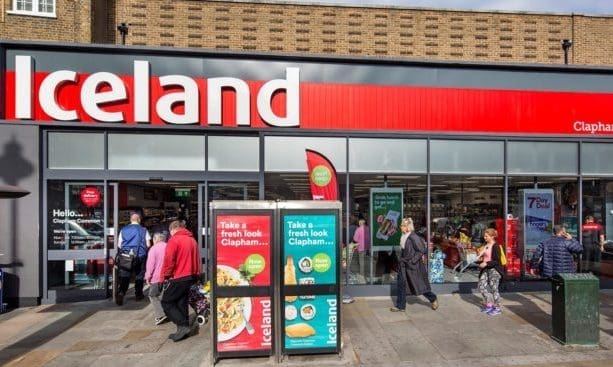
Iceland has reintroduced palm oil “with huge regret” after sunflower oil has become “totally unobtainable” amid the ongoing Ukraine crisis and consequent rising food prices.
In a blog post, Richard Walker, managing director of Iceland, said an unintended consequence of the war is the scarcity of sunflower oil. Ukraine and Russia together account for 70% of global supply, and “within days” of the outbreak of war the group could “already see that it would become hard to obtain supplies within weeks as opposed to months”.
He said it was an example of the “interconnected short term nature of global food supply chains” as this availability impact also affected alternatives to sunflower oil, including both rapeseed and palm oil, whilst simultaneously driving up their prices.
Walker also noted that boycotts and disruption resulting from the war are also driving “huge increases” in global energy and commodity prices, affecting milling wheat, edible oils, animal feed, fertilisers, food processing, packaging and transport.
He said that Iceland’s suppliers of meat, poultry, eggs and dairy products are “not just warning us of massive inflationary pressures hurtling towards them: they are seriously worrying about whether they will be able to secure key ingredients at all, or have the diesel to transport them to depots and stores if they do”.
Iceland first removed palm oil as an ingredient from all its own label products in 2018 to “take a stand against tropical deforestation”, and instead increased its reliance on sunflower oil.
It is now working closely with its suppliers to find alternatives, however, noting that in many cases it can substitute rapeseed oil, but there are some recipes where the only viable substitute for sunflower oil is palm oil.
In a statement, Walker said: “I say this with huge regret, but the only alternative to using palm oil under the current circumstances would simply be to clear our freezers and shelves of a wide range of staples including frozen chips and other potato products.
“So we have agreed to use certified sustainable palm oil – as a last resort and as a strictly temporary measure – in a limited range of Iceland own label products that will begin to appear in our stores from June. All packs will of course clearly show palm oil in the list of ingredients where it has been used.”
He added: “I haven’t changed my mind about palm oil – which is why this is strictly a temporary move, and one that I would not countenance at all if I could see any viable alternative.
“This is a serious emergency and one that requires tough choices and compromises if we are to achieve our prime objective of continuing to feed the nation – and of delivering affordable food to those on tight budgets, who will inevitably be those worst affected by the unprecedented pressures now building up in our supply chains.”