



Register to get 2 free articles
Reveal the article below by registering for our email newsletter.
Want unlimited access? View Plans
Already have an account? Sign in
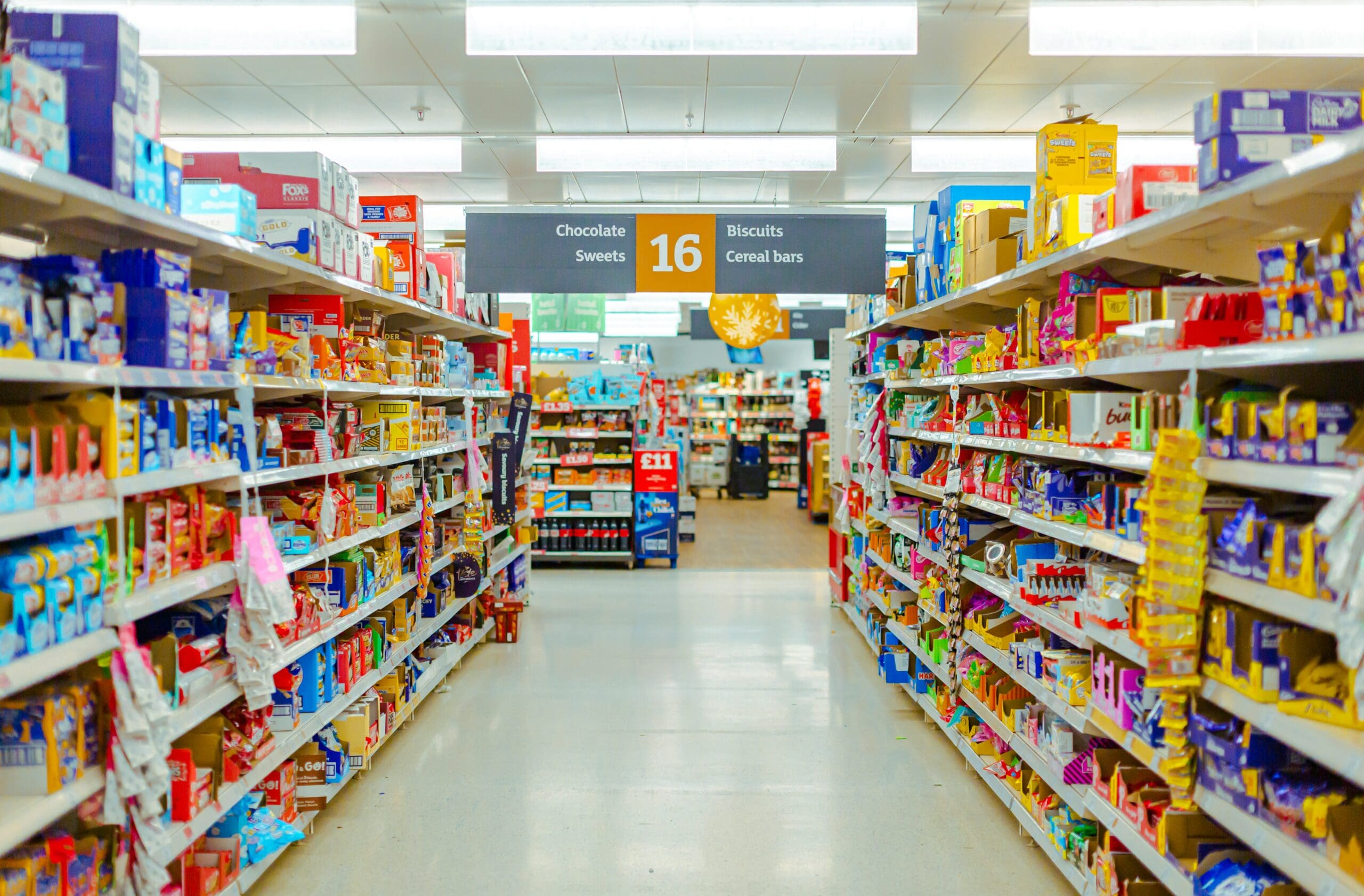
British consumers spent £439m on confectionery ahead of Easter in the four week period ending 27 March 2021, a +34% increase in sales compared with the same period in 2020.
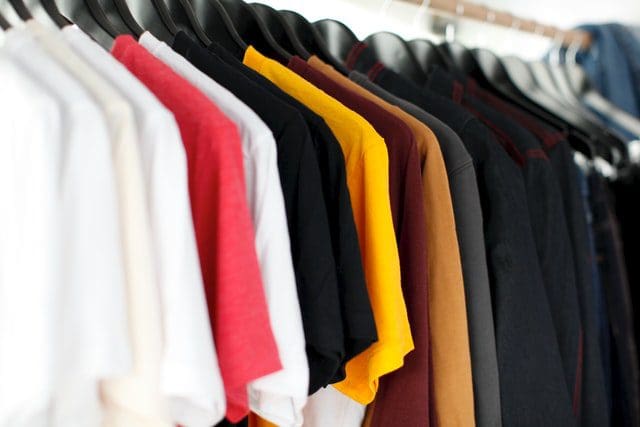
The new data released by Nielsen also reveals that as non-essential retail remained closed, consumers turned to supermarkets to “treat themselves” as sales of clothing doubled (+106%) to £313m whilst sales of home (+61%) and garden items (+92%) collectively increased to £175m.
In contrast, sales of packaged grocery fell by -24% and household goods fell by -31% compared to last year – which coincides with the stockpile shopping heights of March 2020.
Nielsen also said that as the UK edges closer to the end of the lockdown period, March this year signalled “the end of pandemic purchasing”. It found that total till sales fell by -2.9% in the last four weeks. Despite this, when compared to the same period in 2019, before the pandemic, this amounts to an overall 14% growth in sales as British shoppers spent £1bn more on groceries in the last four weeks than they did in 2019.
However, NielsenIQ data shows that in the last four weeks, online grocery sales remained high, growing at 92%, whilst bricks and mortar sales declined by -14% year on year.
It added that the picture for the first quarter of the year indicates that sales are now levelling off, with industry growth of +5.7%, down from +8.6% in the last quarter of 2020.
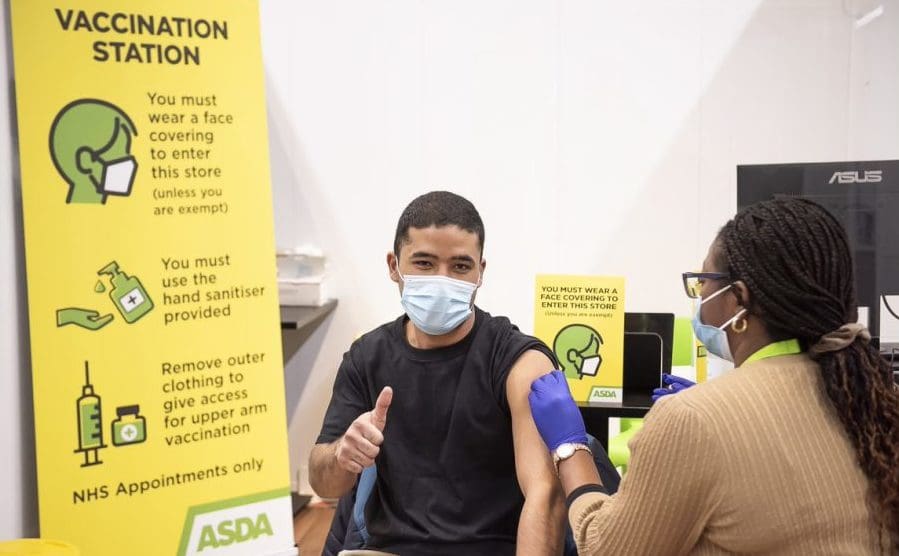
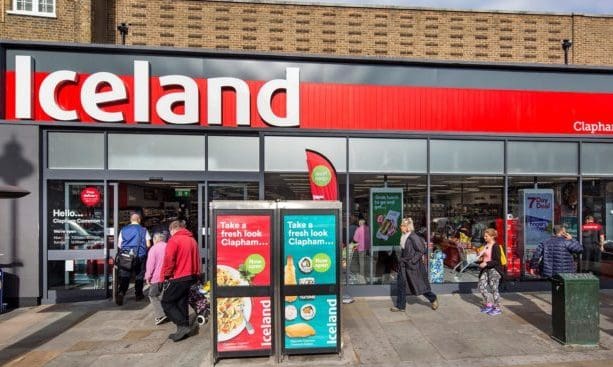
In terms of retailer performance, Lidl (16.2%) grew the fastest over the last 12 weeks. Iceland (7.8%) and Aldi (7.6%) also performed strongly. Meanwhile, Asda (6.0%) and Morrisons (5.9%) were the fastest growing supermarket of the ‘big four’ retailers.
Mike Watkins, NielsenIQ’s UK head of Retailer and Business Insight, said: “It’s clear that as we draw ever closer to the end of lockdown, consumers have been looking ahead to spring and indulging in some retail therapy, ranging from Easter chocolate to some new clothing or accessories for the home and garden.
“With the economy slowly reopening we will soon see a rebalancing of consumer spend in the months ahead. As 80%3 of consumers say they would feel confident returning to restaurants once they’ve had their vaccine, many billions of pounds are set to return to cafes, pubs and restaurants which could impact on grocery sales.”
He added: “But, with the likelihood of a ‘stay at home summer’ supermarkets are still well-positioned to capture incremental spend.However, one in three (35%) British consumers are now newly constrained, having faced a decline in household income or financial situation and are now watching what they spend much more — up from 29% in September.