




Register to get free articles
Want unlimited access? View Plans
Already have an account? Sign in
In last year’s Business Rates Review: Call for Evidence, Jesse Norman MP, financial secretary to the Treasury, said the government would explore the potential options of “alternative” property and online taxes which could act as “possible replacements” for rates to tackle the increases in businesses online presence.
The proposition would see a levy applied on internet shopping which the government has argued could in turn help stem the collapse of the high street. The development comes as the Treasury considers evidence from retailers as part of a fundamental review of business rates. The report discusses how an online sales tax would be unlikely to raise revenue sufficient to replace business rates, concluding that “any such tax would exist alongside business rates”.
In light of the advantages of property taxes which have already been implemented, the review suggests that due to the “prevalence of concerns” about online retail trends and divided public opinion, an online sales tax would be a “fair option”.
One of the biggest impacts of Covid-19 on businesses was a combination of rental obligations, taxes and restrictions on trade. As a means of tackling this, the government suspended business rates holiday last year and announced in this year’s budget review that it will be extended for another three months. Due to lockdown restrictions, the majority of businesses also transitioned to online where the worry of non-domestic property business rates wouldn’t be a problem.
However, retailers particularly those who remained open during lockdown, have argued that the business rates system creates a “distortion” within the retail sector, with the review explaining that they feel it favours online retailers who can operate without “high-value properties”.
This has led to proposals that the government should “levy a tax” on companies based on their online sales, which could be used to “fund business rates reductions” for retail properties. Some businesses have raised concerns that an online sales tax would instead “increase the costs for consumers” of many regularly purchased items or make it harder for offline retailers to adapt to changing consumer habits and establish their own online presence.
Retailer’s reactions
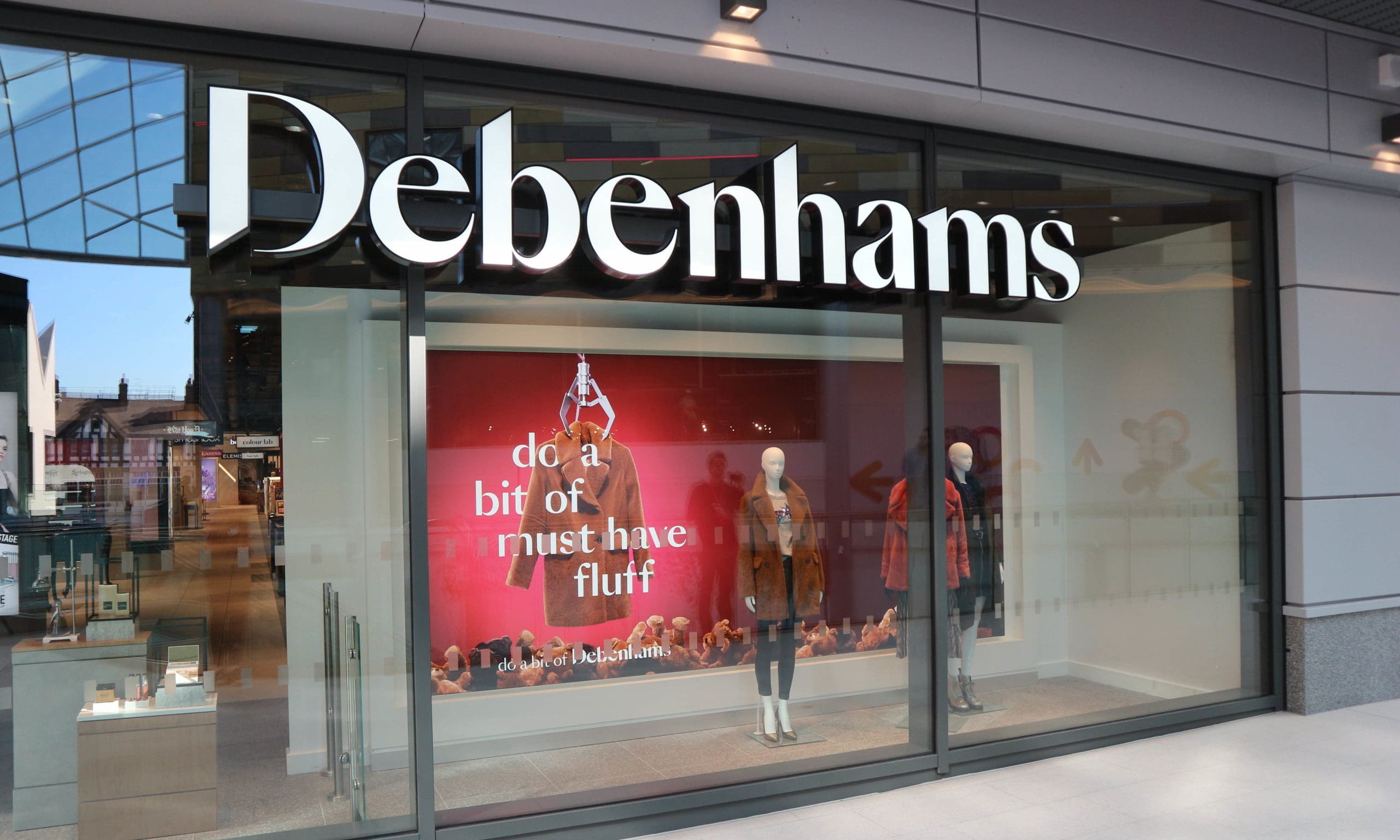
Mike Ashley, CEO of Frasers Group recently commented that whilst the retail industry as a whole has “repeatedly” asked for structural reform of business rates, “none has been forthcoming”.
Helen Dickinson OBE, chief-executive of British Retail Consortium, weighed in by saying that the key to reviving the high streets would be to “fundamentally reform the business rates system”, and expressed her opposition on behalf of the consortium to any new taxes that increase the “cost burden” on the industry which she claims is already too high.
The British Independent Retailers Association (Bira) shares the BRC’s opinion along with other trade bodies and retailers who have called for the business rates system to be reformed which in turn would make it “fairer” for physical stores who have continued to receive the brunt of taxations during lockdown.
In an open letter to chancellor Rishi Sunak, over 18 groups including Bira, Tesco, Asda, Waterstones and the Association of Convenience Stores (ACS), asked the government to make “fundamental changes” to the way that business rates were collected so that physical stores wouldn’t be at such a disadvantage compared to online retailers.
Speaking about the matter, Andrew Goodacre, CEO, Bira explains: “It is important that steps are taken to ‘level up the playing field’ between high street retailers and the online giants.”
The letter recommended reducing the business rates multiplier to a level closer to the original rate of around 35% of the market rent. Additionally, it stated that this could ripple, making the UK “more competitive” and show businesses that the government is backing British shops.
Potential issues

Charlie Merrells, chief strategy officer at global full service Amazon agency, Molzi, shares his opinion and comments that one of the issues with the online sales tax is that the government “doesn’t seem to acknowledge” that revenue is not the same as profit.
He claims that because profits in online retail are “infamously far narrower” than bricks and mortar, it would be unlikely that the retailers hit by any tax introduced by the government will be able to afford to simply pay the new rate.
Meanwhile, Neil Wright, a representative of Tommy’s Tax, explains that the online sales tax is “just one part” of the government’s “attempt to claw back revenue”. He cautions this move could also hurt high street shops that have operations online and it could “disproportionately hurt smaller businesses” which have adapted to the pandemic by moving their businesses online.
Andre Hordagoda, co-CEO and co-founder of Go Instore, a retail technology company, offers his insight by suggesting that whilst the intention of the online sales tax is to “level the playing field” between online and in-store retail, it doesn’t take into consideration the “sheer volume” of sales online channels generate.
He notes the solution to revitalising the high streets is not by “punishing the innovators” who digitised before or during the pandemic- it needs to be done by “celebrating” those who did innovate, while helping the rest to digitalise too.
Taxing online stores will cause “more harm than good” for high streets, as many retailers are using the stores and their store staff to support and sell online, Hordagoda explains.
He advises that instead of “pitting online against in-store”, retailers should instead encourage a connection between the two streams and develop an omnichannel strategy to optimise their businesses and maximise this opportunity. Another option Hordagoda offers would be to encourage retailers to “repurpose” their empty storefronts into darkstores.
He claims that with the increase in online shopping and assisted shopping, darkstores could be used to connect with customers who prefer to shop online by demonstrating products and offering advice on purchases.
Hordagoda states that the new retail landscape should reflect that of traditional retail where human and personable interactions “drive sales”, so being able to connect customers with in-store experts will allow retailers to create a “united front” across all channels.
He concludes: “Adaptability is something all retailers will come up against in the next few years, so being flexible in their approach is key to understanding the customer demand and staying relevant in both the online and offline worlds.”