




Register to get 1 free article
Reveal the article below by registering for our email newsletter.
Want unlimited access? View Plans
Already have an account? Sign in
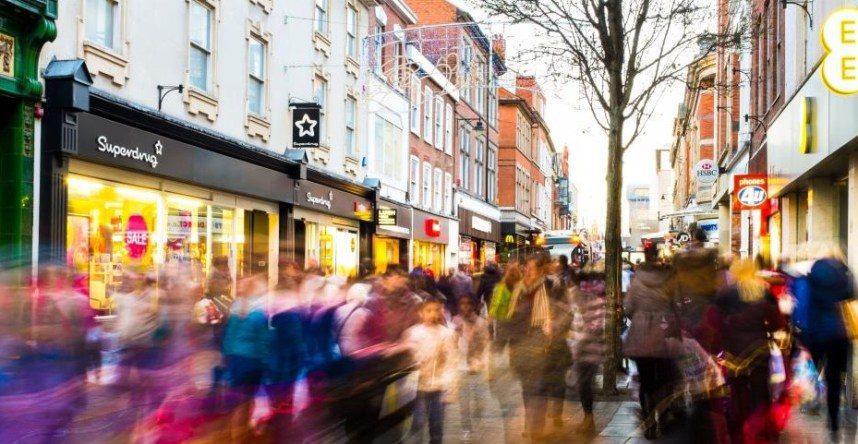
A combination of growth in online shopping, shift to in-home leisure, heightened restructuring activity and ongoing digitisation of services has seen the half-year net reduction in stores on Britain’s high streets reach record levels, according to PwC.
According to research compiled for PwC by the Local Data Company (LDC) a net 1,123 stores disappeared from Great Britain’s top 500 high streets in the first half of this year as only 1,569 shops opened, compared to 2,692 closures (H1 2017 net loss: -222 stores).
The rate of store closures in H1 2018 remained at 14 stores a day. However, store openings were down by a third year-on-year from 2,342 in 2017 to 1,569 in 2018.
Closures were most marked in categories affected by online shopping (eg fashion stores and electricals outlets) and increasing consumer preference for in-home leisure – eating drinking and entertaining at home. This shift has particularly impacted pubs and a restaurant sector dealing with cost inflation and oversupply after rapid expansion in 2016/2017.
Lisa Hooker, consumer markets leader at PwC, said: “The continued rate of store closures reflects the new reality that many of us prefer to shop online and increasingly eat, drink and entertain at home. The high street is adapting to an overcapacity in retail and leisure space resulting from these channel shifts.
“Openings simply aren’t replacing the closures at a fast enough rate. Specifically, the openings across ‘experiential’ chains, such as ice cream parlours, beauty salons and vape shops, haven’t been enough to offset closures in the more traditional categories.
She added: “Looking ahead, the turmoil facing the sector is unlikely to abate. Store closures already announced in the second half of the year due to administrations and CVAs already will further intensify the situation.
“The British high street is in urgent need of new ways of thinking and new forms of retail. Encouraging this should be a priority, and it remains to be seen if recent packages of support for the high street and reductions in business rates for smaller retailers will be sufficient to stimulate this.”