






Register to get free articles
Want unlimited access? View Plans
Already have an account? Sign in
Lower consumer spending and a decrease in economic clustering if pandemic levels of home working persist would reduce UK GDP by £15.3bn every year, according to new research published by PwC.
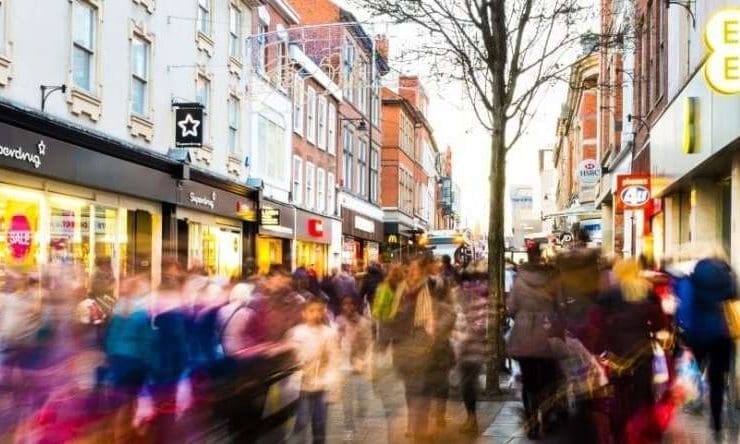
The ‘Big Four’ accountancy firm said the hit to consumption is a result of office workers spending fewer days in city offices, meaning less money is spent on surrounding shops, cafes and cultural amenities.
It added this decrease in spending has a snowballing effect whereby ancillary workers, such as canteen workers, security guards and waiters, whose jobs rely on workers being present in offices, reduce their own spending in response.
Jonathan Gillham, PwC’s chief economist, said: “We’ve seen office and home working pitted against each other in recent months but it’s not as simple as one being more effective than the other. Our research highlights some of the broader economic implications and unintended consequences.
“While continued working from home could help level up smaller cities and rural areas, it would have a disproportionate impact on lower paid workers in bigger cities.”
He added: “A blend of office and home working is the best way to help cushion our economy as the furlough scheme draws to a close – getting more people back to offices safely is critical. The UK is a services-based economy that’s powered on people coming together face-to-face.”