



Register to get free articles
Want unlimited access? View Plans
Already have an account? Sign in
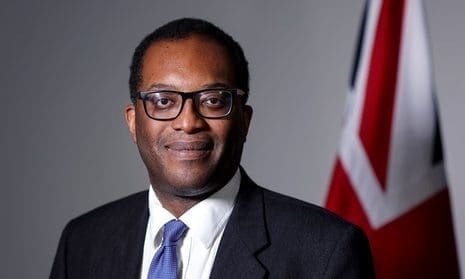
Chancellor Kwasi Kwarteng has today (23 September) announced a ream of tax cuts alongside a £60bn energy support package as part of the new government’s first mini-budget.
Setting out his aims for economic growth, Kwarteng said that he wants the economy to increase by 2.5% annually in the medium-term, through a mix of tax incentives and reform.
As part of the new mini-budget, the chancellor announced widespread tax cuts to help boost the economy. He confirmed that the proposed rise in corporation tax will be scrapped, and will not rise to the previously proposed 25% but instead remain at 19%.
The chancellor said this would mean the UK has the lowest rate of corporation tax in the G7, adding that the move will put £19bn back into the economy.
The 45% higher rate of income tax will also be abolished under the new chancellor, and will instead be replaced with a single higher rate of 40%, meaning 31 million people will be better off by an average of £170 per year. The basic rate of income tax will also be cut to 19% from April next year.
As previously announced by the government, the chancellor also confirmed that the recent increase in National Insurance will be reversed from November. The Treasury said the change would save nearly 28 million people an average of £330 per year.
Meanwhile, a cap on bankers’ bonuses will be scrapped as the current restrictions “do not work”. He said the move would encourage banks to both work and pay tax in the UK.
In his first mini-budget, Kwarteng also set out a series of measures to help households and businesses amid the rising cost of energy. An energy price guarantee will see domestic bills frozen at £2,500 in a bid to support households against rising energy costs.
This will see household energy bills cut by around £1,400 this year, while millions of the most vulnerable people will reportedly receive additional payments that take their total yearly savings to £2,200.
This comes alongside the energy bill relief scheme that was announced yesterday, which is set to cap wholesale energy bills for businesses for an initial six-month period from 1 October.
The chancellor said he expects the cost of the energy bills support package to cost £60bn, but the price is uncertain due to international prices. His statement comes down as the government negotiates with new long-term energy contracts with suppliers, and that the plan will reduce peak inflation by 5%.
Elsewhere, Kwarteng introduced 40 new investment zones that will be set up across the UK. The zones will be allowed to reduce business taxes to help encourage investment in these areas.
In addition, VAT-free shopping will be introduced for overseas visitors, while planned increases in the duty rates for beer, cider, wine and spirits will all be cancelled.
Stamp duty reform was also a focus of the mini-budget. The level at which house buyers start paying stamp duty will double to £250,000 to “support growth, increase confidence, and help families aspiring to own their own home”.
The threshold for first-time buyers will also be increased from £300,000 to £425,000, and the value of the property purchased by first-time buyers will be able to claim relief from £500,00 to £625,000.