



Register to get free articles
Want unlimited access? View Plans
Already have an account? Sign in
Consumer card spending increased 12.2% in December compared to the same period in 2019, as Brits finished their final preparations for Christmas, according to data from Barclaycard.
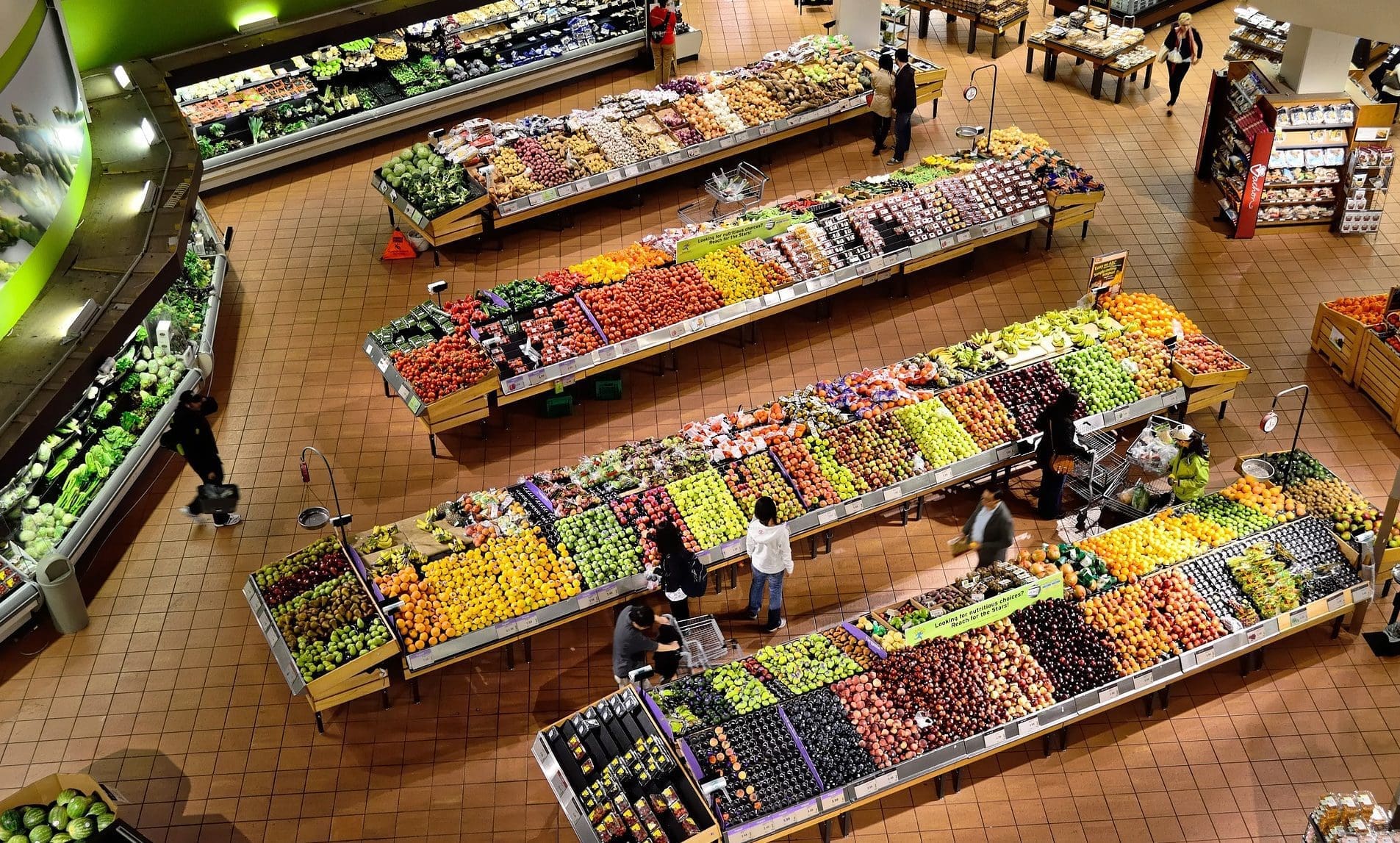
Barclaycard revealed that spending on essential items grew 13.7%, driven by a 13.9% rise in supermarket shopping, as consumers stocked up on food and drink for the festive season.
Fuel spending also rose by 11.8% compared to 8.5% in November which was reportedly driven by rising fuel prices and many travelling to see friends and family over Christmas.
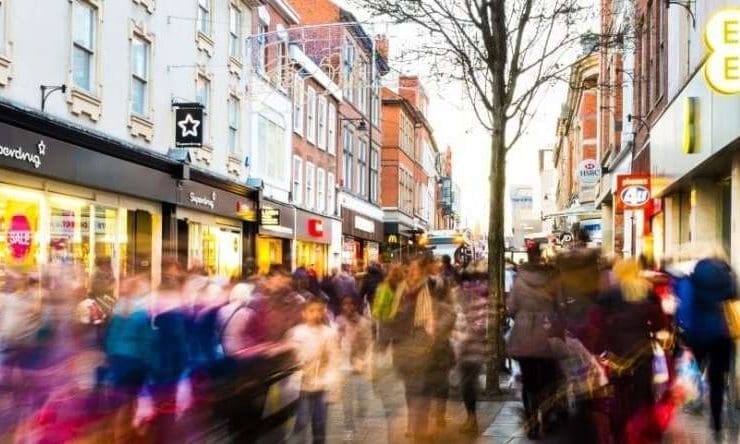
Meanwhile, spending on non-essential items increased at a slower rate of 11.5% in December, compared to November’s 18.3% growth. Barclaycard said this could be due to Brits beginning their Christmas shopping earlier in the year, as well as some shoppers opting to avoid the high-street due to concerns around the spread of Omicron.
Clothing also saw noticeably smaller growth at 8.8% compared to November’s 13.4%, and department stores experienced a 7.1% decline compared to 2019.
Barclaycard also revealed that as more time was spent at home, Brits turned to “sprucing up their living spaces”, meaning furniture, and home improvement and DIY stores, remained steady at 22.4% and 21.5% growth respectively.
Jose Carvalho, head of consumer products at Barclaycard, said: “While consumer card spending levels are up on 2019, December was a mixed picture for retail, hospitality and leisure, as restrictions to tackle the spread of Omicron started to take effect.
“More Brits were either isolating or choosing to stay at home due to the new variant, which hampered face-to-face retailers as well as hospitality and leisure outlets”.
He added: “However, there were some bright spots. Spending on essential items grew strongly as shoppers filled their trolleys with food and drink and celebrated the festive period with family and friends.”