






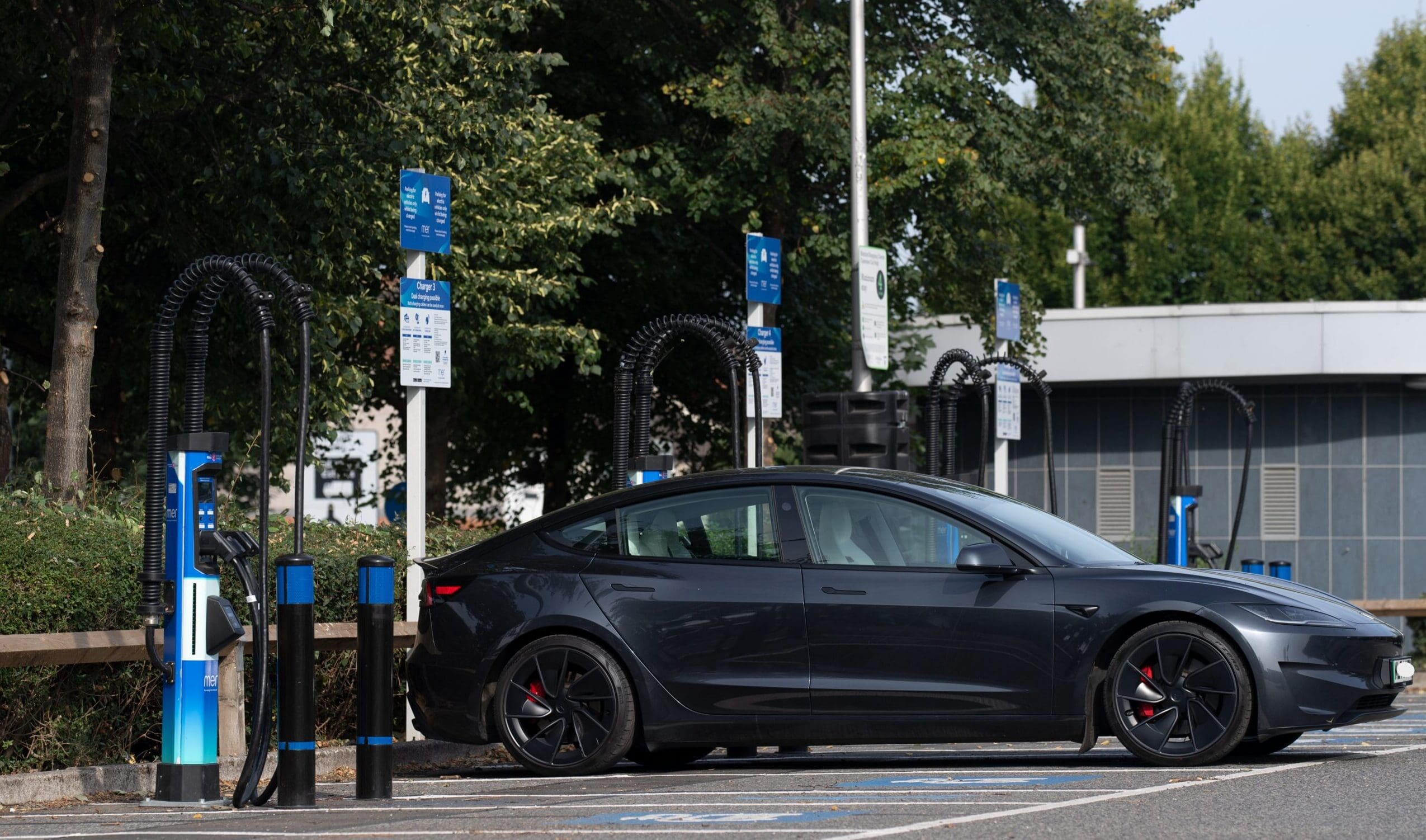
The transition to EVs is not just a shift in how people purchase vehicles, it is a fundamental realignment of which businesses can profit from the expansion of transport infrastructure. Retail site owners are well positioned to capitalise on this change, as the market has shifted from the presence of charging infrastructure being a pilot in sustainability to a key revenue driver.
In this article, we explore how the presence of an EV charging hub at your retail site can boost revenue, land value and marketing impact.
Increasing customer footfall and dwell time
EV chargers provide a powerful attractor for customers. In our latest customer survey, 41% of our drivers said they charged at a retail site because of the presence of EV charging, while a further 36% wanted to shop at the retail park because of the on-site charging infrastructure. As more people make the switch to EVs, this number will increase.
By installing EV chargers, you can also increase customer dwell time and incidental spending. EV drivers are a captive audience – unlike at petrol stations where you can ‘fill up and go’, it can take around half an hour to an hour to charge. This means that drivers will seek things to do to pass the time waiting for their EV to charge, often by visiting shops, cafes or other services on a retail site. These longer dwell times translate to a higher spend per visit, benefiting both yourself and your tenants.
Who pays for EV charging?
Installing EV charging infrastructure is expensive. Therefore, it is important to work with an EV charging partner who can offer you a range of commercial models to suit your needs and budget.
You might choose to fund the entire installation process while retaining the profits from the charge points, paying a maintenance and back-office fee associated with the ongoing operation to the CPO. This is popular among retail site owners that wish to make the chargers a direct extension of their business.
On the other end of the spectrum, the EV charging partner can fully-fund the EV charging solution, a popular choice for site owners who wish to take a hands-off approach.
Finally, there are models that offer a middle ground between these arrangements. Often lease payments and revenue sharing is agreed between the charging partner and you, based on the level of installation investment.
Whether you wish to focus on direct revenue generation from the chargers themselves, or through lease payments, the EV charging provides a new line of income.
Early adopters enjoy less competition to receive government grants at present, which may change as the need to install charging increases. There is growing regulatory pressure from both the government and local councils to install EV charging at new, non-residential developments. This is only increasing the demand, leading to fiercer competition for access to funding.
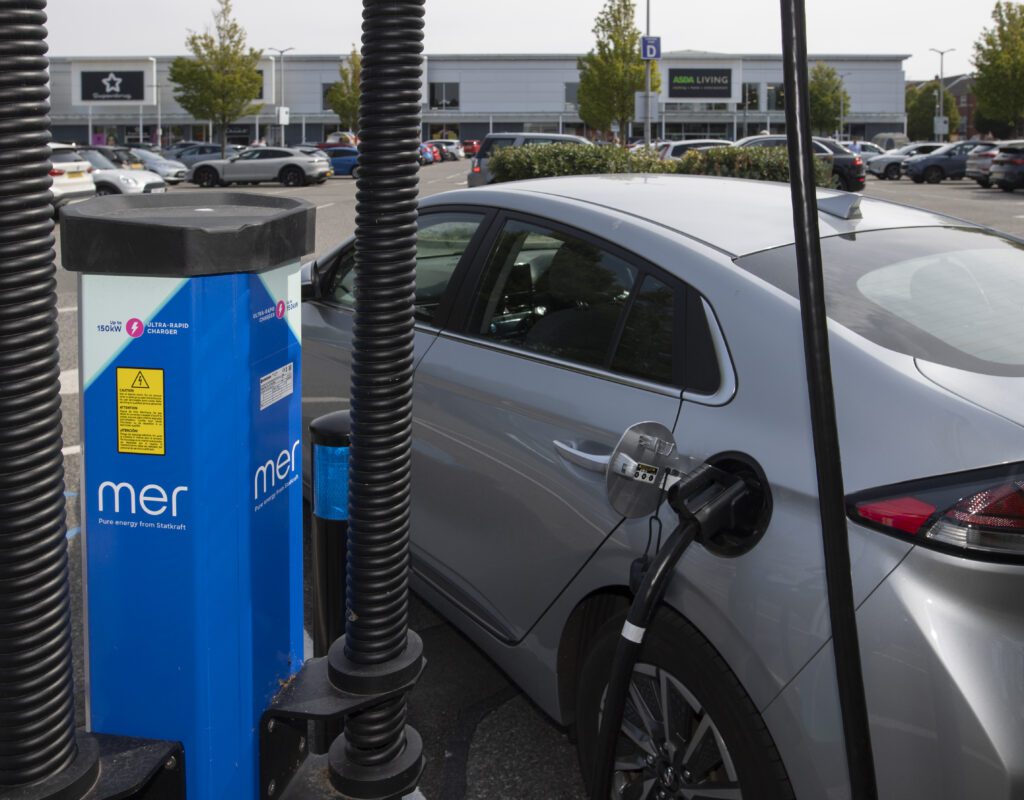
How does EV charging attract investors and tenants to my retail park?
Both investors and tenants are interested in the increased customer footfall and dwell times brought about by the on-site charging, since these metrics provide greater potency for your investment reports and help incentivise your tenants to renew their lease.
Your property value is tied to its future potential prosperity. As the 2035 ban on the sale of new petrol and diesel cars looms ever closer, more of your customers are going to be driving EVs. Prospective investors are keenly aware of this and are looking for sites that take a forward-thinking approach.
Many investors are also increasingly scrutinising their portfolio’s ESG credentials. EV charging helps to demonstrate your commitment to proactive, practical sustainability and improving access to electric mobility.
For tenants, there is an increasing expectation for landlords to provide EV charging as part of a modern, well-managed site. They often view the presence of charging infrastructure as a key amenity that aligns with their corporate sustainability commitments.
Don’t get left behind
EV charging has long since moved past being an exercise in sustainability and has become a vital tool for boosting revenues, attracting investors and retaining tenants. Many retail site owners are no longer debating whether to install chargers. Instead, they are asking ‘how do we make EV charging part of our strategic growth plan?’
Mer is an expert in designing and installing EV charging hubs at retail sites across the UK, including Stane Retail Park and Dean Clough Mills. If you are interested in finding out installing an EV charging hub and what you need to consider, download our charging hubs e-guide.